
HER STORY CONTINUES
HOW TAWANDA MCKOY TURNED TRAUMA, GRIEF, AND BETRAYAL INTO A LEGACY OF HEALING
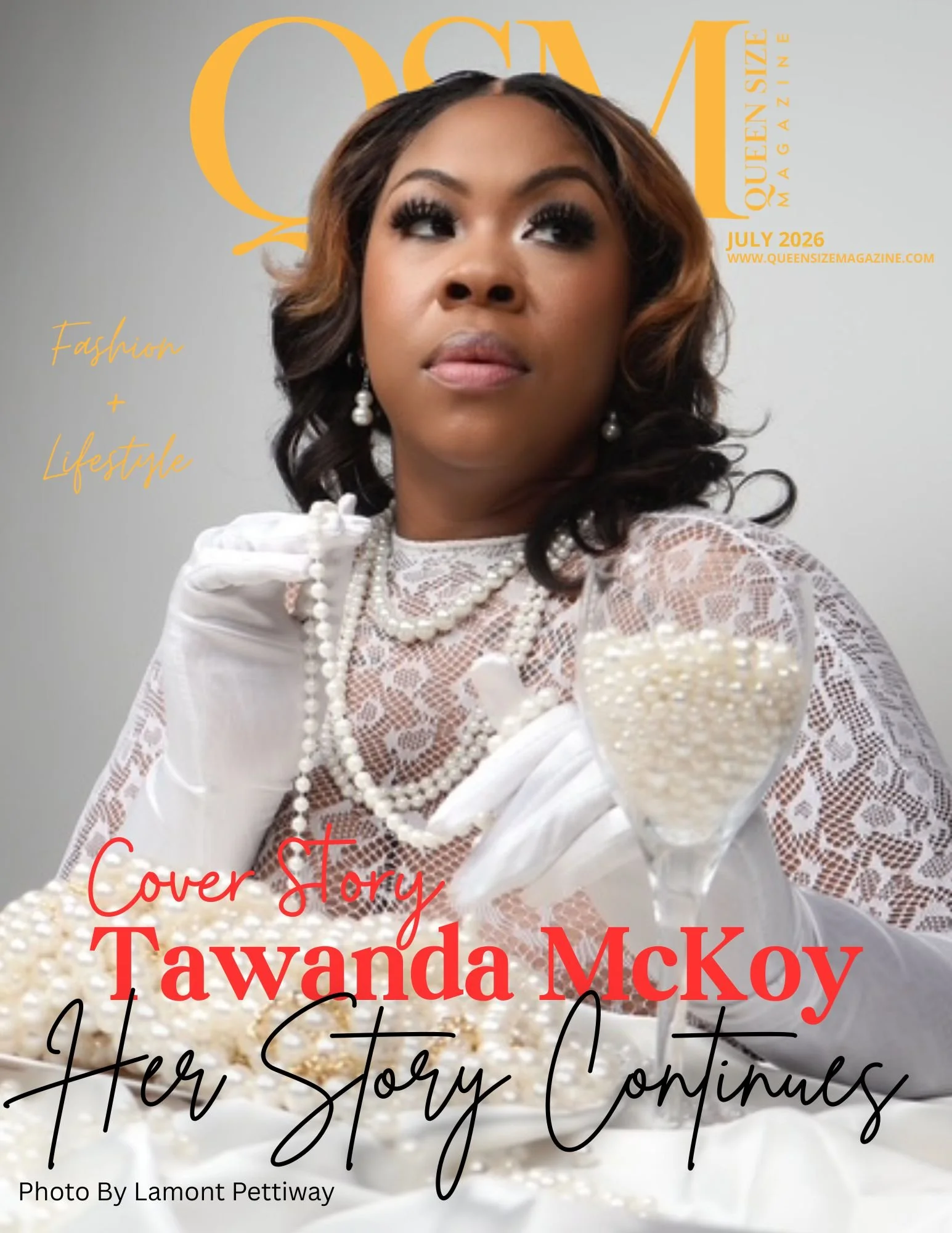
Some stories begin with triumph. Others begin with survival. Tawanda McKoy's story begins with a little girl carrying a burden that was never hers to bear. For more than three decades, she lived beneath the weight of childhood sexual abuse, silently navigating adulthood while protecting a secret that slowly shaped every relationship, every decision, and every version of herself.
Today, she is finally telling her story. Not because the pain disappeared, but because it no longer deserves to dictate the ending. Her fragrance, Her Story Continues, is more than a business. Her upcoming memoir bears the same name. Together, they represent a declaration that despite every attempt life made to silence her, her story didn't end with trauma. It continues.
For the first time, Tawanda is reclaiming the pen.
For 35 years, Tawanda carried a secret that left invisible scars. As a child, she was sexually abused by a family member, an experience she buried beneath years of silence.
"I felt like it was time to tell my story,” she shared. "It's been covered for over 35 years, and it had me in bondage for that long."
That bondage reached far beyond childhood. The trauma affected the way she experienced love, trust, and vulnerability. Showing affection in relationships became difficult because she was still carrying wounds she had never been allowed to heal. But healing required honesty. By speaking publicly about her abuse, she says she finally feels "unshackled." She refuses to allow her past to become her identity. Instead, she views it as one chapter in a much larger story.
The abuse taught her resilience. It taught her endurance. Most importantly, it taught her that surviving unimaginable circumstances doesn't diminish a person's worth. For years, however, she blamed herself. Like many survivors, she searched for reasons a child could never possibly understand. She questioned whether making a mistake, spilling milk, or somehow upsetting her abuser had caused the abuse. Only through healing did she come to understand the truth: she had done nothing wrong. If she could speak to the little girl she once was, her message would be simple.
"None of this is your fault. You didn't do anything to deserve what happened to you. The person who abused you made that choice, not you."
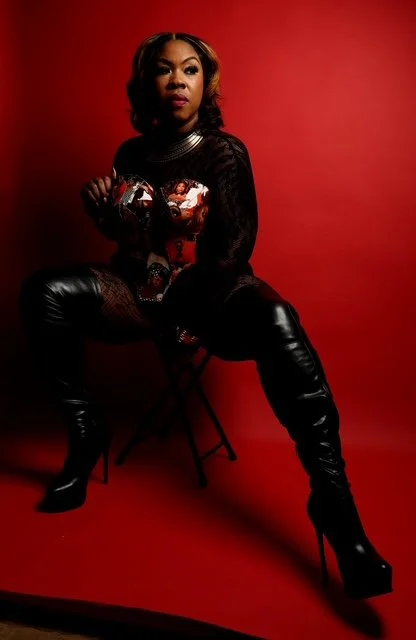
Life eventually introduced Tawanda to a love that changed everything. His name was Charles. She doesn't describe him simply as the love of her life. She describes him as the man who should have been her happily ever after. His love wasn't ordinary. He noticed the smallest shifts in her voice over the phone. If she was having a difficult day, flowers would unexpectedly arrive at her door accompanied by a singing telegram. She would wake up to dozens of roses simply because it was Tuesday. His gestures weren't grand because they were expensive. They were grand because they were thoughtful.
"What made the relationship so special," she says, "was simply him." Then everything changed. Tawanda held Charles as he took his final breath. That moment became permanently etched into her memory. If losing him wasn't painful enough, another heartbreak followed. She was excluded from the funeral arrangements, leaving her without the opportunity to properly honor the man she loved or say goodbye on her own terms. She remembers feeling powerless. While others were able to celebrate his life publicly, she was left carrying her grief privately. For a time, she didn't want to recover. Her world had stopped, and depression became a place she was willing to remain. Eventually, one thought helped pull her forward.
"He wouldn't have wanted that." Today, she carries Charles with her every day. She cherishes the conversations, the laughter, the vacations, and above all, the love they shared. Though many people didn't understand their relationship, she says that never mattered. "We did."
Searching for companionship after a devastating loss, Tawanda entered another relationship, hoping to find the kind of love she once knew. Instead, she found betrayal. Looking back, she admits the warning signs were always there. "I always knew," she says. But grief has a way of convincing people to accept what they otherwise wouldn't. She wanted companionship. She wanted to call someone her husband. She wanted to believe love had found her again. Six months into the marriage, everything unraveled. The man she believed was her protector, provider, and partner had been living an entirely different life. He had another family. Another wife. Children. And an ongoing relationship with one of his employees.
In an instant, what she believed was her perfect marriage had disappeared. When asked what was hardest about the divorce, her answer is strikingly brief. "Losing again."
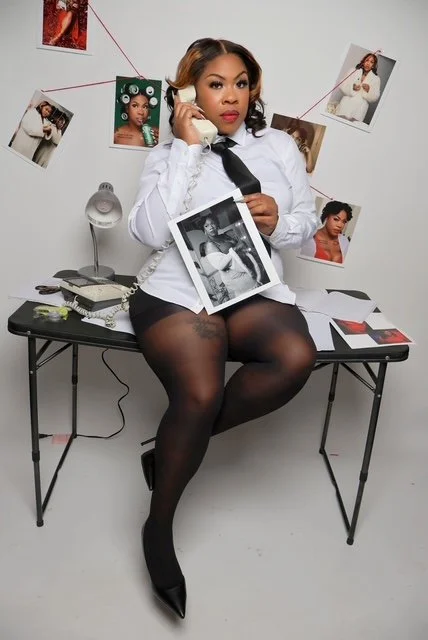
The betrayal left scars that reached beyond the marriage itself. It affected her self-respect, her ability to trust, and the way she viewed love. "My heart was no longer ready for love," she says. "It was broken and destroyed."
Long before becoming an entrepreneur, Tawanda found another form of healing. Modeling. Walking a runway wasn't simply about fashion. It was about reclaiming confidence that had been stolen years earlier. Standing in front of a camera allowed her to rediscover parts of herself she thought were gone. But after losing Charles and enduring the collapse of her marriage, the runway no longer felt like home. She didn't just lose her passion for modeling. She lost the woman she once recognized in the mirror. Looking back now, she believes stepping away was necessary. Instead of chasing appearances, she needed space to heal. That season taught her something invaluable. Her identity wasn't tied to a title, a runway, or a photoshoot. It was rooted in who she was beneath all of it.
Out of that healing came one of the most personal projects of her life. Her Story Continues.The name wasn't created by a branding agency. It came directly from her journey. There were seasons when she genuinely believed her story had ended. Childhood trauma. Heartbreak. Divorce. Grief. Rejection. Identity loss. Each chapter felt final. But none of them were. Rather than launching another business simply to become an entrepreneur, Tawanda chose fragrance because scent has the unique ability to trigger emotion, memory, and hope. She wanted every bottle to become more than perfume. She wanted it to become a reminder. A reminder that every woman wearing it is still healing. Still growing. Still dreaming. Still becoming.
"It was my journey," she says of creating the collection. "I healed through my perfume. I found me again through my perfume."
Her hope is that every woman who wears Her Story Continues feels empowered rather than simply beautiful. She wants women overcoming heartbreak, trauma, disappointment, or uncertainty to remember one simple truth:
Their story isn't over.
That same philosophy became the foundation of her memoir. Writing it, she admits, has been both therapeutic and painful. Some chapters forced her to revisit memories she had spent years trying to bury. There were days she had to stop writing because the emotions became overwhelming. The most difficult chapter? "My Beginning." For nearly a decade, she debated whether to tell her story publicly at all. She worried about how revealing her childhood abuse would affect her family. In fact, she only told her mother this year. Coming from a family that believed in handling personal matters privately, speaking publicly about her trauma wasn't an easy decision. But eventually she realized something profound. "My healing comes first."
Through writing, she stopped seeing only pain. She began seeing strength. Every painful chapter had shaped the woman she had become. She hopes readers leave her memoir understanding that pain never gets the final word. Healing isn't forgetting. It's choosing to keep living. And if sharing her story allows even one person to feel seen, understood, or less alone, then every difficult page will have been worth writing.
Today, Tawanda McKoy doesn't claim to have all the answers. She simply knows who she is. She describes herself as a woman shaped by fire but never destroyed by it, a woman still healing, still growing, and still becoming. Peace no longer comes from pretending the past didn't happen. Instead, it comes from acknowledging it without allowing it to control her future. Forgiveness, she says, wasn't a single decision. It was a process. It required releasing anger, extending compassion toward herself, and understanding that forgiving someone doesn't excuse what happened; it simply frees you from remaining imprisoned by it. Most importantly, she has learned to stop blaming herself for choices that were never hers. That freedom has become her greatest victory. Because while trauma, grief, and betrayal all attempted to write the ending of her life, none of them succeeded.
Today, Tawanda McKoy is writing a different ending, one built on purpose instead of pain, healing instead of hiding, and hope instead of heartbreak. Her story is no longer about what happened to her. It is about what she chose to become after surviving it. And perhaps that's why the title of both her fragrance and memoir feels less like a name and more like a promise.
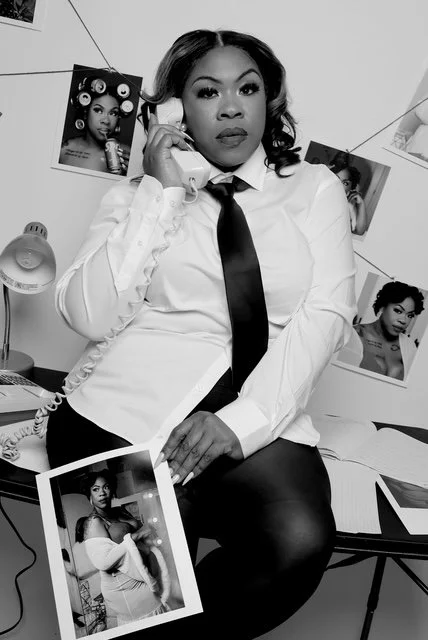
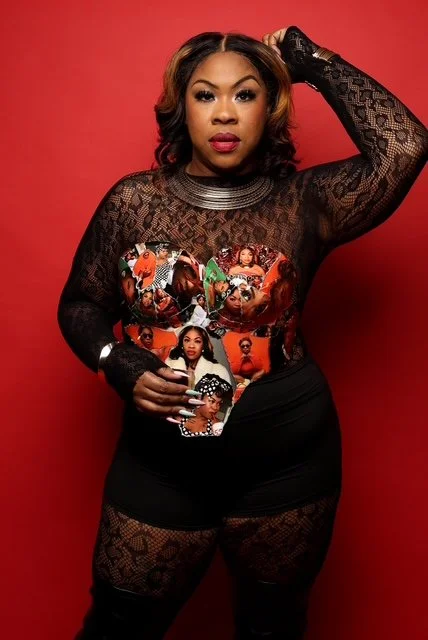
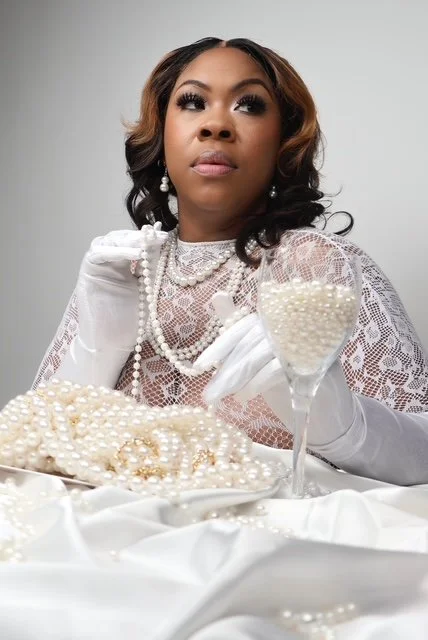
QSM: Throughout your journey, there were moments when life became so overwhelming that you attempted to end your life. Looking back today, what do you remember most about the emotional space you were in, and what do you want people to understand about that season of your life?
Tawanda: When I look back on that season of my life, I don’t remember wanting to die as much as I remember desperately wanting the pain to end. I felt emotionally exhausted, overwhelmed, and convinced that I was carrying burdens I couldn’t survive. In that space, it became hard to believe that tomorrow could be different from today.
What I want people to understand is that suicide isn’t always about giving up on life; often, it’s about feeling like you’ve run out of hope. Mental and emotional pain can become so consuming that it clouds your ability to see possibilities, love, or a future. Today, I can say that surviving those darkest moments has given me a deeper appreciation for life, a greater compassion for others, and a purpose in sharing my story.
QSM: Charles clearly left an incredible mark on your life. If he could see the woman you've become today, what do you think he would say to you?
Tawanda: I honestly think Charles would smile and tell me, “I always knew you had it in you.” He believed in me, even during the times when I struggled to believe in myself. I think he would be proud- not because my life has been perfect, but because I kept going. He’d probably remind me to keep walking in my purpose, to continue loving deeply, to keep extending grace, and to NEVER stop sharing my story because someone else’s healing may depend on hearing it.
More than anything, I think he’d say, ‘You made it, you finally told your story’. Those words would mean everything to me because there were seasons when neither of us knew if I'd ever reach this place.
QSM: So much of your healing has been about finding yourself again. When did you finally recognize that Tawanda was coming back? Was there one defining moment, or was it a series of small victories?
Tawanda: It wasn’t one defining moment-it was a series of small victories that slowly brought me back to myself. Healing isn’t the destination you arrive at overnight; it's choosing yourself every single day, even when it's hard.
I started recognizing Tawanda again when I began smiling without forcing it, when I could look in the mirror and see more than my pain. It was in those moments I started dreaming again, laughing again, serving others, and realizing I still had something valuable to offer the world.
I just didn’t find the old Tawanda- I discovered an even better version of her. She has scars, but she also has strength. She has experienced heartbreak, but she still believes in love. Most importantly, she knows her worth, and no circumstance or person can take that away from me again.
QSM: You transformed your pain into a fragrance and a memoir instead of allowing it to become your identity. Why was creating something meaningful so important to your healing process?
Tawanda: For a long time, I felt like my pain was writing my story. Every loss, every disappointment, every heartbreak seemed to define who I was. But I reached a point where I realized I had a choice. I could let my pain become my identity, or I could let it become the foundation of my purpose.
Creating “Her Story Continues”-both the fragrance and the memoir-was my way of reclaiming my voice. Every note on that fragrance reminds me that beauty can come from broken places. Creating something meaningful was healing because it reminded me that I wasn’t just surviving anymore-I was building.
QSM: One thing that I would like to touch on, based on a previous conversation (if you are okay with that), you have attempted suicide a couple of times. Can you share what led you to the moment when you decided that you just didn’t want to live anymore?
Tawanda: “I remember reaching a place where I wasn’t living anymore—I was simply existing. The weight of everything I’d been carrying felt unbearable. I had experienced so much loss, disappointment, betrayal, and emotional exhaustion that I couldn’t see beyond the pain. It wasn’t that I truly wanted my life to end; I just couldn’t imagine the pain ever ending. Looking back now, I realize I had lost sight of who I was. I had spent so much of my life pouring into other people that I had completely neglected myself. I felt empty, hopeless, and isolated, even when I was surrounded by people. Depression has a way of convincing you that you’re alone and that your pain is permanent, and during that season, I believed those lies.
By God’s grace, I’m still here. My healing didn’t happen all at once—it happened one day, one prayer, one conversation, and one decision at a time. Today, I don’t share this part of my story because I want people to focus on my darkest moments. I share it because I want someone who feels hopeless to know that hopelessness doesn’t have to be the end of their story.
QSM: Tell us a little more about this upcoming memoir.
Tawanda: This memoir is the most personal thing I’ve ever created. It’s more than a book—it’s my testimony. For years, people saw the woman on the runway, the pageant queen, the entrepreneur, and the smile I wore so well. What they didn’t always see were the tears, the heartbreak, the setbacks, and the quiet battles I was fighting behind the scenes.
Her Story Continues is about all of it. It’s about loss, grief, brokenness, faith, healing, forgiveness, and ultimately, rediscovering who I was after life tried to convince me I had nothing left to give. I wanted to write a book that wasn’t polished to perfection, but honest enough for someone else to see themselves in its pages. Readers will walk with me through some of the hardest chapters of my life, but they’ll also witness the beauty of what can happen when you refuse to let your pain have the final say. Every chapter is a reminder that even when life feels like it’s falling apart, God is still at work, writing a story that’s far greater than we can imagine.
More than anything, I hope readers close the book feeling seen, encouraged, and hopeful. I want the woman who’s carrying silent pain to know she isn’t alone. I want the person who’s ready to give up to realize that there is another chapter waiting to be written. That’s why the title is Her Story Continues, because no matter what we’ve been through, our story doesn’t end with our hardest chapter. As long as we’re here, there’s still purpose, there’s still healing, and there’s still hope. Every chapter in memoir is proof that our darkest seasons don’t have to be the end of your story-they can become the beginning of a new one.
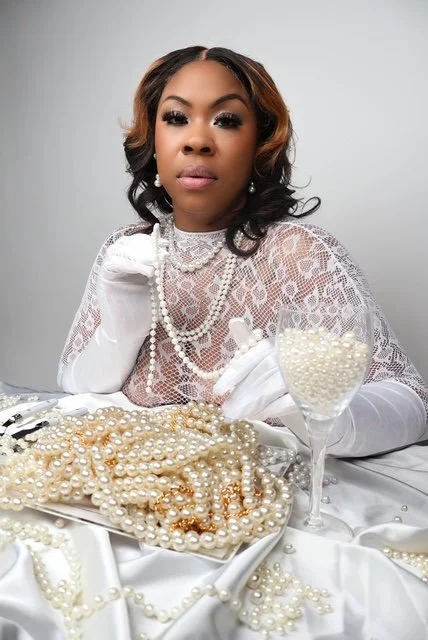
QSM: One of the most powerful parts of your story is that you chose to speak after decades of silence. What would you say to someone who is still carrying a painful secret because they're afraid of how others might react?
Tawanda: I would tell them this: your silence may feel like protection, but it can also become a prison. I know because I lived there for a long time. I carried shame, fear, and pain that didn’t belong to me, and I convinced myself that if I never spoke about it, somehow it would disappear. It didn’t. It only became heavier. When I finally found the courage to speak, I discovered something powerful—my truth didn’t make me weak; it made me free. I realized that what happened to me was part of my story, but it wasn’t the end of my story, and it certainly wasn’t my identity.
I also want people to know that you don’t owe your story to everyone. Be intentional about who you trust. Share it with people who will hold your heart with compassion, not judgment. Healing doesn’t require the whole world to know your story; it requires you to stop carrying it alone. And if you’re still not ready to speak, that’s okay. Healing has its own timeline. But don’t give up on the possibility that one day your voice could become the very thing that sets you free and helps someone else find the courage to heal.
QSM: Forgiveness has played a major role in your healing. Is there someone you found surprisingly easy to forgive, or perhaps the hardest person to forgive was yourself? What did that process teach you?
Tawanda: Without question, the hardest person for me to forgive was myself. I found that extending grace to other people came more naturally than extending it to the woman staring back at me in the mirror. I blamed myself for so many things, for the choices I made, for the relationships I stayed in too long, for not recognizing my own worth sooner, and for allowing my pain to silence my voice for so many years. I carried guilt for things that were never mine to carry. Forgiving myself wasn’t a single decision. It was a daily choice. I had to stop defining myself by my worst moments and start seeing myself the way God sees me—with grace, compassion, and unconditional love. I had to accept that I couldn’t change my past, but I could choose how it shaped my future.
I also learned that forgiveness isn’t about saying what happened was okay. Some of the things I experienced were deeply painful, and some people hurt me in ways that changed my life forever. Forgiveness simply meant I was no longer willing to let that pain control my future. I refused to give my past the power to keep stealing my joy.
QSM: Imagine a woman picks up Queen Size Magazine today and sees your story while secretly fighting her own battles. If she only remembers one thing from your journey, what do you hope that message is?
Tawanda: I want the woman who’s carrying silent pain to know she isn’t alone. I want the person who’s ready to give up to realize that there is another chapter waiting to be written. That’s why the title is Her Story Continues—because no matter what we’ve been through, our story doesn’t end with our hardest chapter. As long as we’re here, there’s still purpose, there’s still healing, and there’s still hope. I would remind her that survival is still a form of strength.
If my journey can help even one person choose to hold on one more day, then every chapter I’ve lived through has a purpose. Today, I know my life has value, my story has meaning, and I’m grateful that I stayed long enough to discover both.”
Photographer: Lamont Pettiway IG: @Oneclickphotography
Makeup: Ishalia Cook IG: @iceyglamstudio