
YOU’RE NOT OILY, YOU MIGHT JUST BE DEHYDRATED: THE SKIN MISDIAGNOSIS COSTING YOU TIME AND MONEY
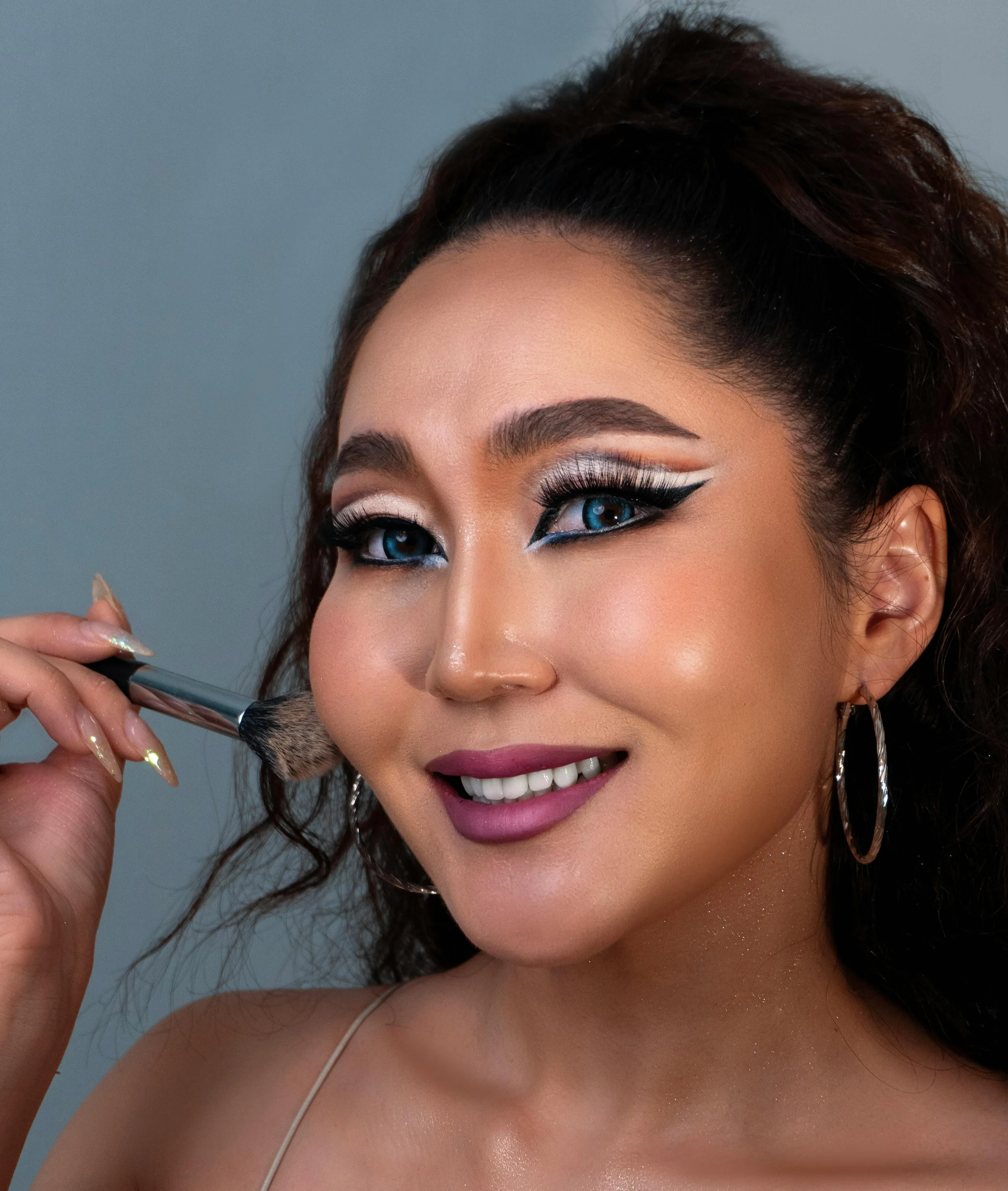
Let’s clear something up right away: everything that looks like oily skin isn’t actually oily skin. And that misunderstanding might be costing a lot of women time, money, and frustration. Somewhere along the way, we were taught to treat shine like the enemy. If your skin looked glossy by midday, if you were blotting, breaking out, or constantly reaching for powders and mattifying products, the assumption was simple: your skin is oily, and you need to dry it out.
So that’s exactly what many of us started doing. Strong cleansers. Harsh toners. Skipping moisturizer. Layering products that promise to control oil and keep everything matte. On paper, it sounds like the right approach. But in reality, for a lot of women, it’s making things worse. Because what you may actually be dealing with isn’t oily skin; it may be dehydrated skin.
And yes, there’s a difference. Oily skin produces excess oil. Dehydrated skin lacks water. The tricky part is that dehydrated skin can still produce oil, sometimes even more of it, which is why so many people get it wrong. Your skin is trying to compensate. It’s overproducing oil because it’s missing hydration. So instead of fixing the problem, we go harder in the opposite direction, stripping it even more. Now your skin is dry and oily at the same time. Tight, but shiny. Breaking out but also flaking. And no matter what you try, nothing seems to work. That’s not bad skin. That’s confused skin.

And a lot of that confusion comes from how we’ve been taught to approach beauty in the first place. We’ve been conditioned to “fight” our skin instead of understanding it. If something shows up, oil, texture, breakouts, the immediate reaction is to attack it, to correct it, to get rid of it as quickly as possible. But skin doesn’t respond well to being constantly put under pressure.
When you over-cleanse, your skin loses its natural balance. When you over-exfoliate, you compromise your barrier. When you skip moisturizer because you’re afraid of looking greasy, you remove the very thing that could help regulate your skin in the first place. So your skin does what it’s designed to do; it adapts. And that adaptation often looks like more oil, more breakouts, and more frustration. It becomes a cycle.
And if we’re being honest, it’s an expensive one too. New products. New routines. Trying whatever is trending, whatever promises to fix the issue fast. But if the diagnosis is wrong, the solution will be too.
So how do you know if your skin is actually dehydrated?
Start paying attention to how it feels, not just how it looks. If your skin feels tight after washing but still gets shiny throughout the day, that’s a sign. If you’re seeing oil and flaking at the same time, that’s another. If your products seem like they work for a few days and then suddenly they don’t, your skin might be trying to tell you it needs something different.
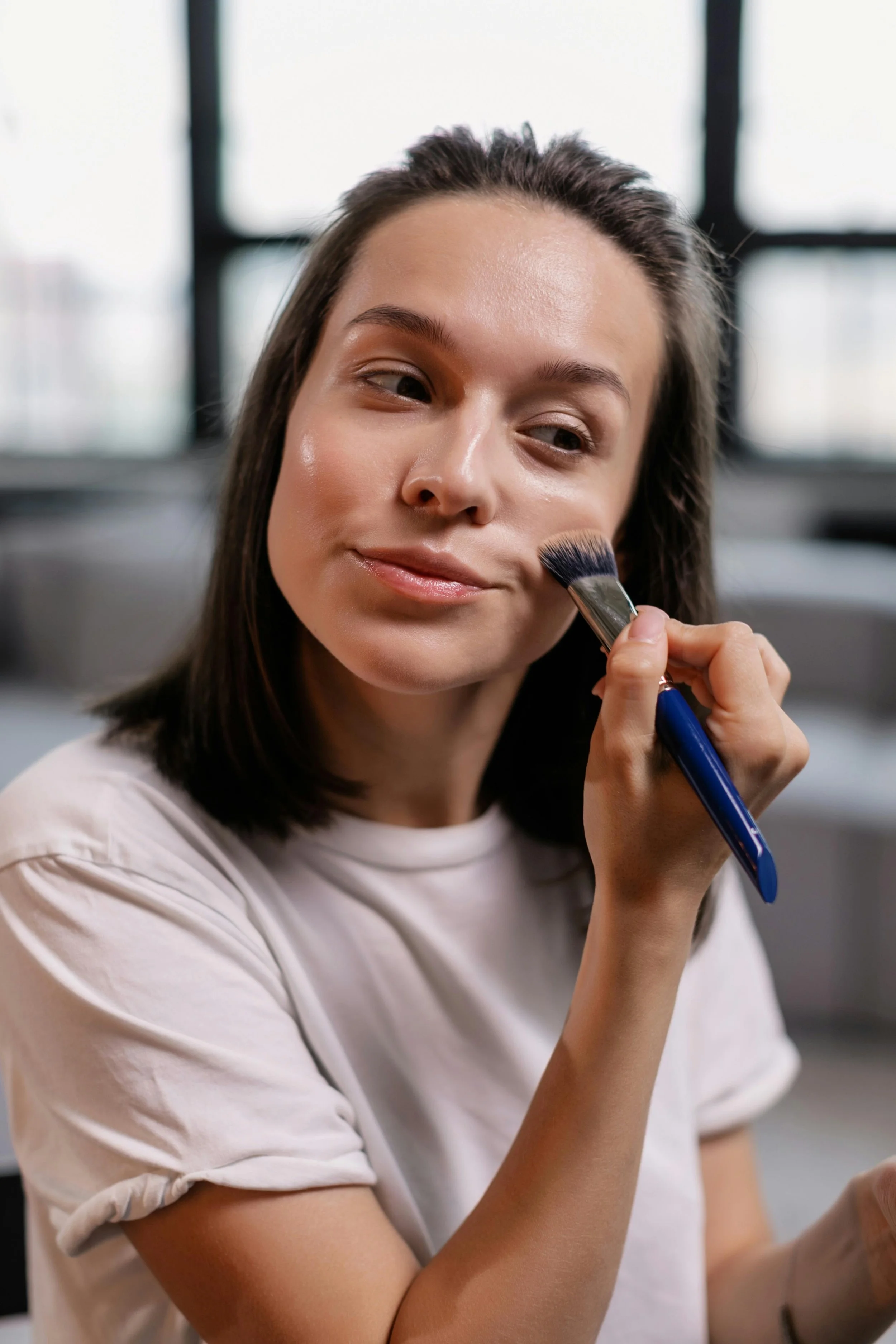
And the fix isn’t as complicated as you might think. It’s not about starting over or throwing everything out. It’s about shifting your approach. Instead of focusing on removing oil, start focusing on adding hydration. Instead of layering more products, think about layering smarter. Gentle cleansers. Hydrating serums. Moisturizers that support your skin barrier instead of sitting on top of it.
It’s less about doing more, and more about doing what actually makes sense. And this is where the bigger conversation comes in, because this isn’t just about skincare. It’s about how we’ve been taught to respond to our bodies overall. Quick fixes. Surface-level solutions. Treating symptoms without understanding the root. For many women, especially those navigating hormonal changes, stress, weight fluctuations, or just the realities of a full life, our skin is constantly shifting. What worked a year ago might not work now. What worked for someone else might not work for you. And that’s okay. But it does mean we have to stop blindly following routines that don’t serve us. Because the goal isn’t perfect skin. The goal is healthy skin. Balanced skin. Skin that isn’t constantly being pushed to extremes.
So before you label your skin as oily, before you reach for another product to control it, take a step back and ask a different question. What is my skin actually asking for? Because sometimes, it’s not more control, it’s more care.