
YOU CHANGED YOUR BODY…BUT NO ONE WARNED YOU ABOUT YOUR HAIR
THE TRUTH ABOUT HAIR CHANGES AFTER WEIGHT LOSS, AND WHAT YOUR STRANDS MIGHT BE TRYING TO TELL YOU
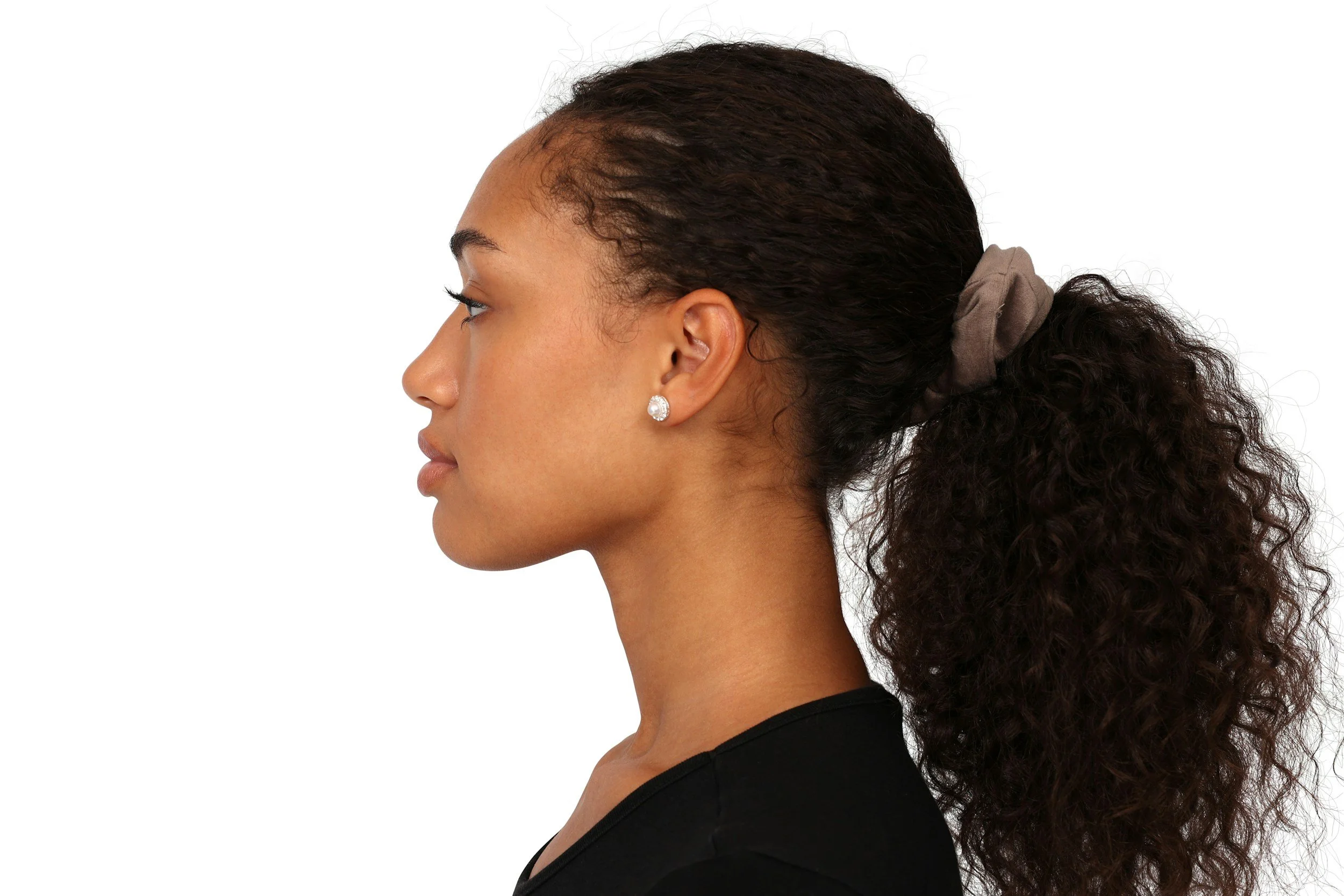
Let’s be honest, when people talk about weight loss, they focus on the wins. The newfound confidence. The clothes fitting differently. The compliments. The transformation. But there’s a part of the journey that doesn’t get talked about nearly enough…what happens to your hair.
For many women, especially those experiencing significant weight loss, stress, or hormonal changes, the mirror can start telling a different story. You may notice more shedding than usual. Your edges may feel thinner. Styles that once looked full and effortless don’t quite hit the same way anymore. And just like that, a moment that’s supposed to feel empowering can start to feel confusing. Because no one told you this could happen.
The truth is, hair changes after weight loss are more common than people realize, especially when the change is rapid. When your body goes through a major shift, it prioritizes essential functions first, and hair simply isn’t at the top of that list. As a result, some women experience increased shedding as the body adjusts. Add in factors like lower protein intake, vitamin deficiencies, hormonal fluctuations, and physical or emotional stress, and it starts to make sense why your hair may not be responding the way it used to. But here’s what’s important to understand: your hair isn’t failing. You’re in a transition that your body is trying to catch up with.
And while that explanation makes sense on paper, the emotional side of it is something else entirely. Because while your body may be changing in ways you’ve worked hard for, your hair changing can feel like a loss. Hair is deeply tied to identity for so many women. It’s confidence. It’s control. It’s the one thing you know how to manage, even when everything else feels uncertain. So when it starts thinning or behaving differently, it can hit deeper than expected. You finally feel good in your clothes, but now you’re second-guessing your hair. You’re receiving compliments but quietly noticing what’s not the same. And because no one is really talking about this part, it can feel isolating.
In response, many women turn to protective styles like wigs, braids, or sew-ins as a way to manage the change. And while these options can be helpful, they can also mask what’s really going on underneath. The reality is, not every protective style is actually protective, especially if your hair is already in a weakened state. Added tension, weight, or frequent manipulation can do more harm than good, particularly around the hairline. This isn’t about giving up the styles you love; it’s about being more intentional with how and when you wear them. Because covering the issue isn’t the same as caring for it.
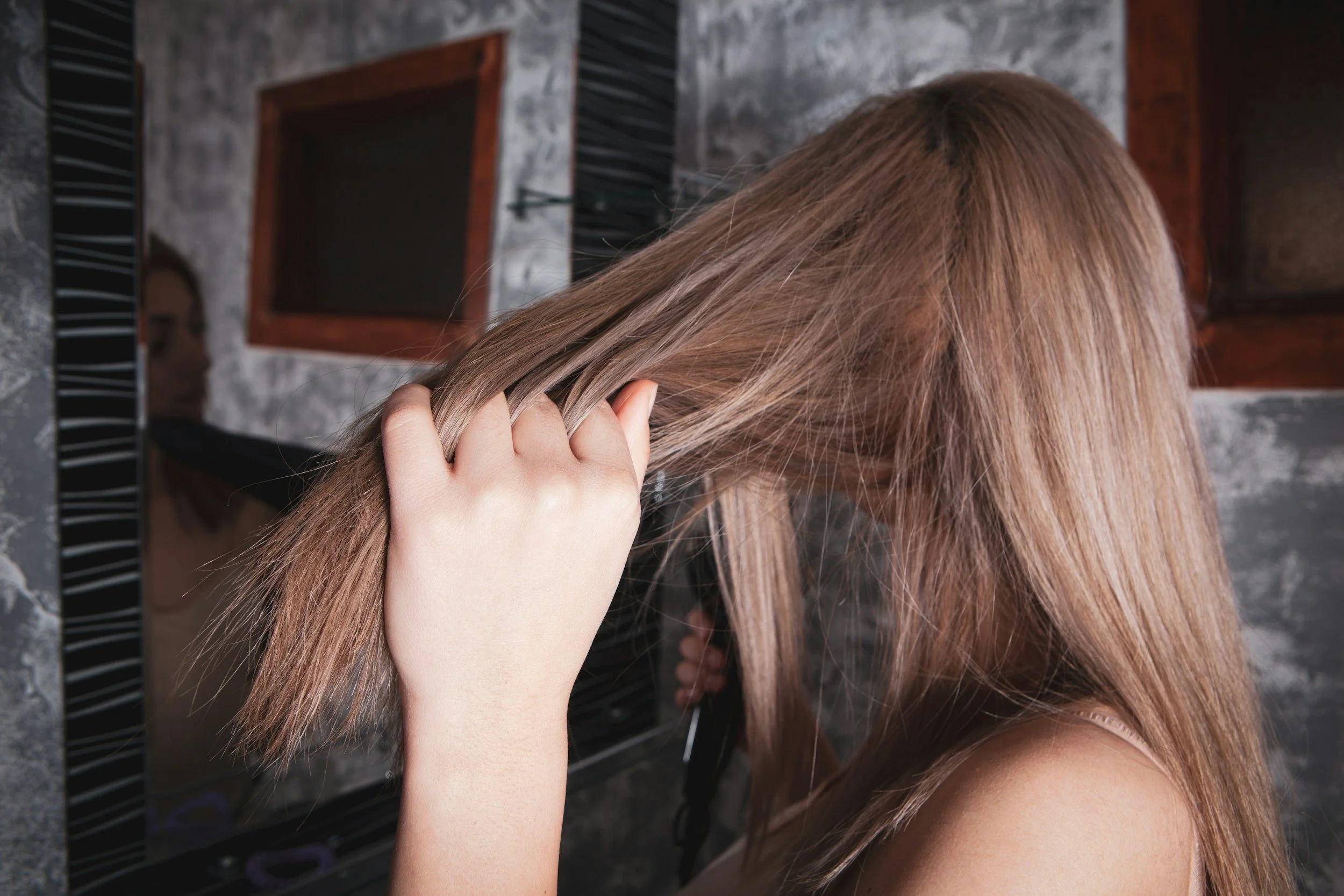
If your hair is shifting, this is the moment to simplify your approach, not complicate it. What’s happening internally matters just as much as what you’re doing externally. Making sure your body is getting enough protein, staying hydrated, and maintaining proper nutrient intake plays a major role in hair health. At the same time, your scalp needs attention too. Low-manipulation styles, reduced tension, and consistency will go further than constantly switching things up trying to “fix” the problem. And above all, patience is key. Hair recovery takes time. You can’t out-style a health issue.
Of course, there’s a difference between temporary change and something that needs more attention. If shedding continues for several months, if you’re noticing visible thinning in certain areas, or if your scalp feels irritated or different, it may be worth looking deeper. That could mean consulting a dermatologist or a doctor who specializes in hair care or even checking for underlying deficiencies. Not because something is wrong, but because your body may be asking for additional support.
The part we don’t always say out loud is that transformation, as beautiful as it can be, sometimes comes with trade-offs. Your body is evolving. Your routine is shifting. And sometimes, your hair is simply trying to catch up with all of it. That doesn’t take away from your progress, and it doesn’t mean you’ve done anything wrong. It just means there’s more to the journey than what we see on the surface.
Because real beauty isn’t just about how things look, it’s about how well you take care of what’s underneath it all.