HAIR AFTER 40/50
WHAT’S REALLY HAPPENING, AND WHY NO ONE TALKS ABOUT IT
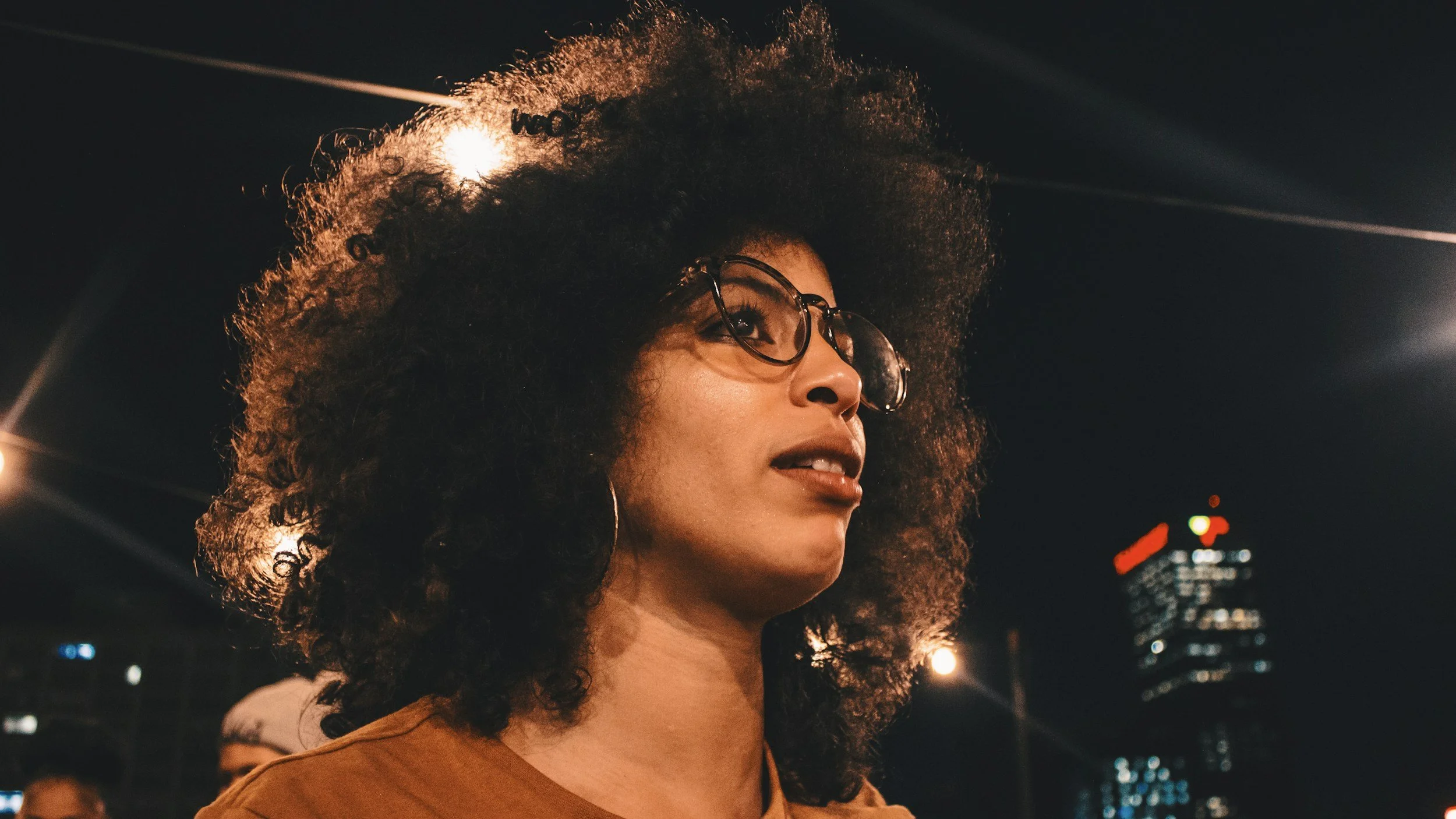
Somewhere after 40, many women begin noticing that their hair simply does not behave the way it used to. The change is rarely subtle. Hair may feel thinner, drier, more fragile, or suddenly resistant to styles that once worked effortlessly. Volume shifts. Texture changes. Shedding becomes more noticeable. And because hair is so deeply tied to identity and self-image, these changes often bring a quiet sense of frustration or concern.
The natural reaction is usually cosmetic. Women start questioning their products, routines, or stylists. Maybe something needs to be added, replaced, or corrected. But what rarely enters the conversation — and what absolutely should — is the reality that hair after 40 and 50 is often responding to internal biological shifts rather than external care mistakes.
Hair is not simply a beauty feature. It is strongly influenced by hormones, stress levels, and overall health. When those variables change, hair responds accordingly.
One of the most significant drivers of hair changes in this stage of life is the transition through perimenopause and menopause. As estrogen levels decline and hormone patterns fluctuate, the hair growth cycle itself can be affected. Strands may not remain in the growth phase as long as they once did. Density may gradually decrease. Hair that once felt full and weighty may begin to feel finer or less substantial. These shifts are often interpreted as damage or loss of vitality, when in reality they reflect normal endocrine changes occurring within the body.
This distinction matters, because many women internalize hair changes as personal failure. There is an assumption that something must be wrong or poorly managed. In truth, the body is simply moving through its natural evolution.
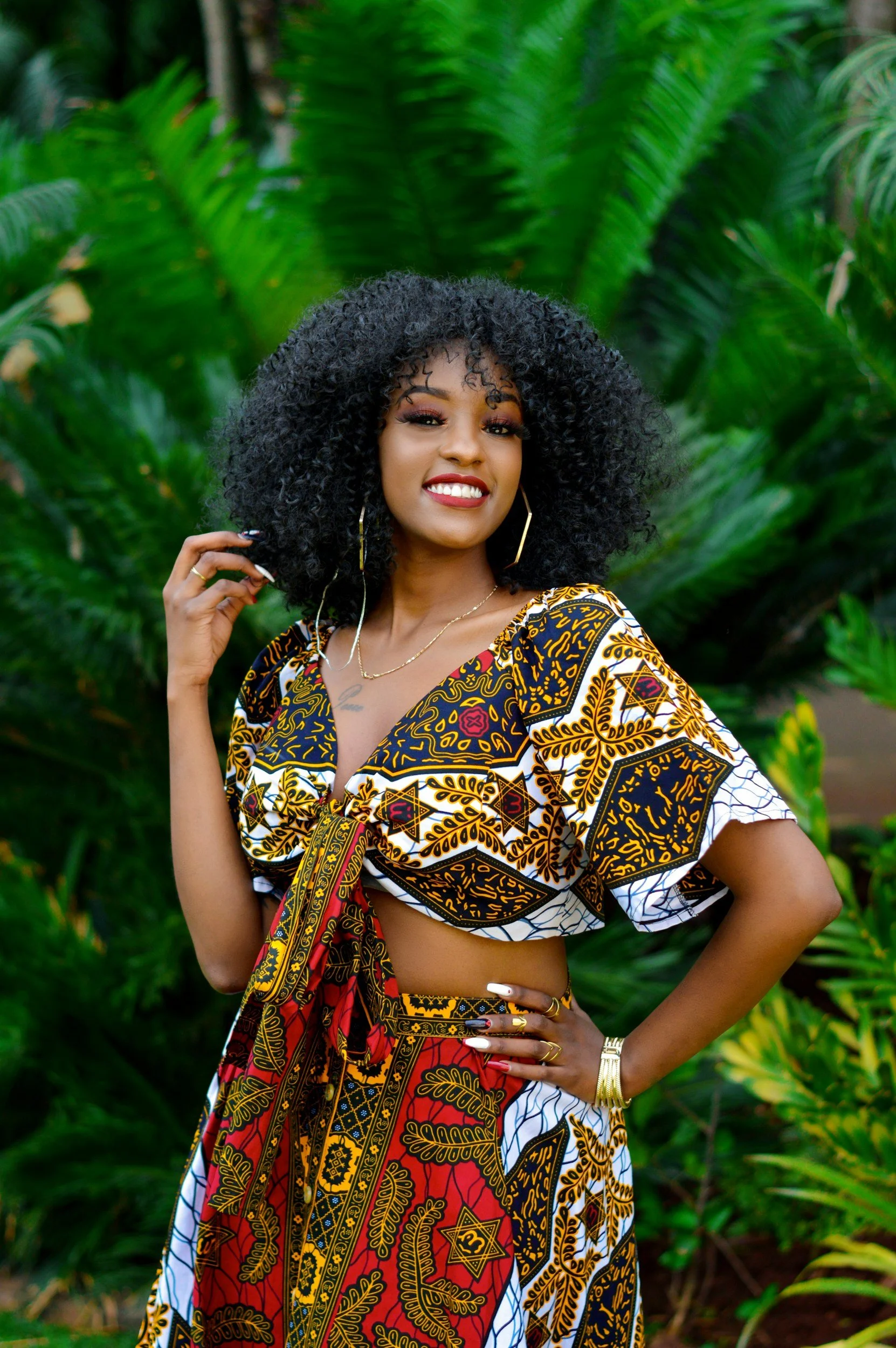
Beyond density changes, texture and moisture balance frequently shift as well. Hair may feel drier, less elastic, or more prone to breakage. Curls may loosen or alter their pattern. Straight hair may feel coarser or more brittle. These experiences are not random and are not necessarily signs of improper hair care. Hormonal changes can influence scalp oil production, protein structure, and moisture retention, all of which contribute to how hair looks and feels.
Compounding this, midlife often introduces its own complex stress landscape. Career pressures, caregiving responsibilities, family dynamics, and health considerations all create forms of chronic stress that can subtly disrupt the hair cycle. Elevated cortisol levels, particularly when sustained over time, may contribute to increased shedding or slower regrowth. What makes this especially confusing is the delayed nature of stress-related hair responses. Shedding frequently appears months after the triggering stressor, making it easy to misattribute the cause.
Hair, in many ways, remembers what the nervous system has endured.
Health and nutritional factors also become increasingly relevant during this stage of life. Changes in metabolism, hormone regulation, and nutrient absorption can influence hair quality and growth patterns. Deficiencies involving iron, vitamin D, thyroid function, or protein balance may manifest visibly through thinning or altered texture. Yet many women continue searching for topical solutions without considering that hair is often a reflection of systemic conditions rather than isolated cosmetic concerns.
Understanding this broader context requires a shift in perspective. Hair after 40 or 50 cannot always be approached with the same expectations formed decades earlier. The body is different. Hormonal landscapes are different. Comparing present-day hair to one’s younger self often leads to unnecessary dissatisfaction. Hair is dynamic. It evolves alongside the body.
What becomes far more productive is an emphasis on hair health rather than rigid appearance standards. Gentle handling, moisture support, scalp care, and realistic styling expectations tend to serve women better than aggressive corrective measures. Equally important is releasing the self-blame narrative that so frequently accompanies these changes. Hair responding to biological shifts is not evidence of neglect or mismanagement. It is simply physiology expressing itself externally.
Perhaps the most important truth is this: hair changes during midlife are extraordinarily common, yet rarely discussed with the nuance they deserve. Beauty conversations often default to product-driven solutions while overlooking the deeply biological nature of hair behavior. Recognizing the role of hormones, stress, and health does not diminish beauty — it contextualizes it.
Because sometimes hair is not misbehaving at all.
It is responding to the body’s next chapter.