
WEIGHTLOSS JUDGEMENT
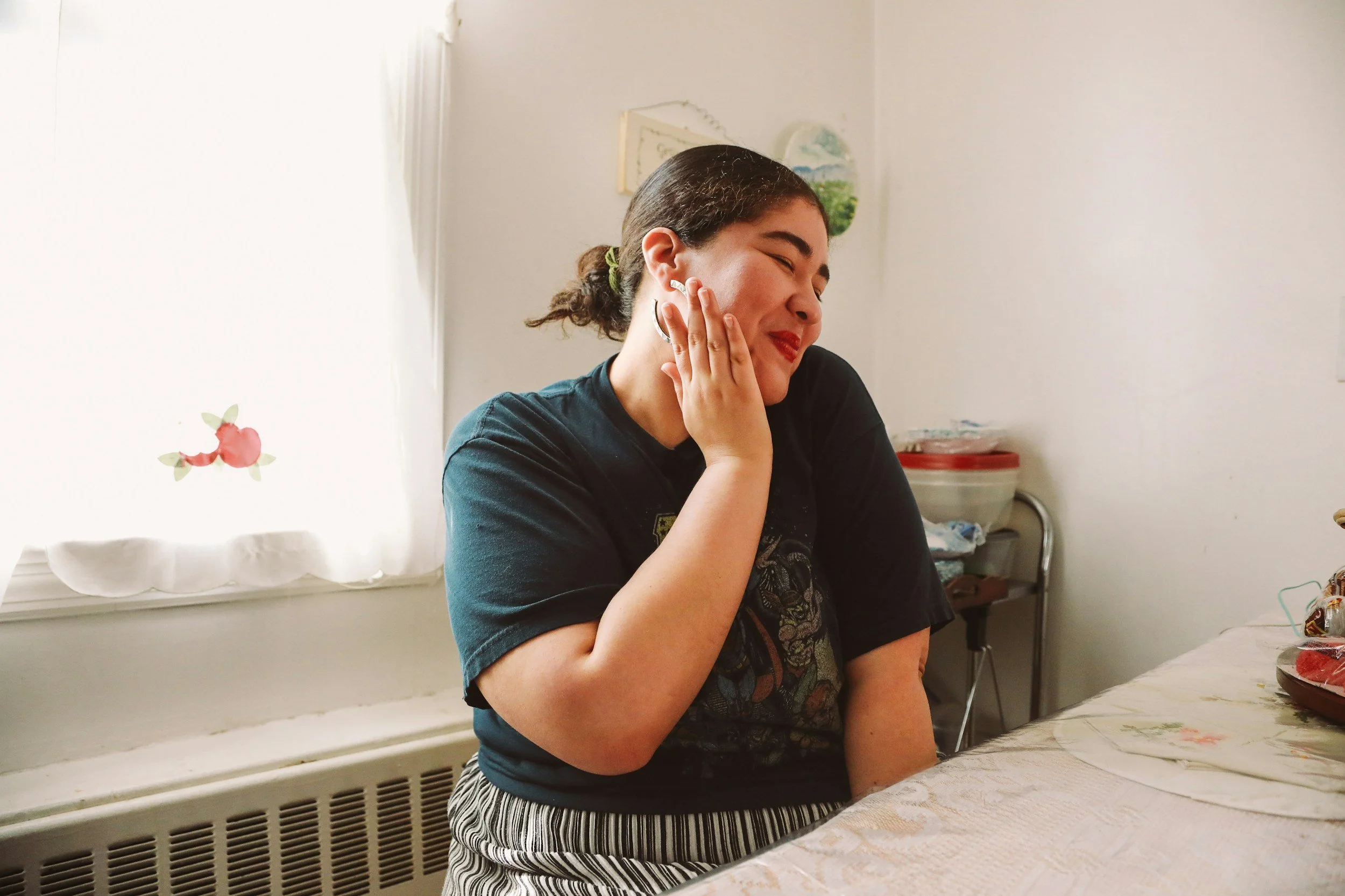
One thing society has made painfully clear is that people are far more comfortable celebrating weight loss when it comes wrapped in struggle they personally approve of. If someone says they lost 100 pounds by eating grilled chicken, waking up at 5 a.m., and spending two years in the gym, people applaud them like they climbed Mount Everest barefoot. But let that same person say they had weight loss surgery or used a GLP-1 medication like Ozempic, Wegovy, or Mounjaro, and suddenly the congratulations come with side-eyes, disclaimers, and judgment. The support disappears and the conversation shifts from “You look amazing” to “Well… that’s the easy way out.”
But why?
Why are people so emotionally invested in how someone else loses weight? And more importantly, why do we treat certain methods of survival and self-improvement as morally superior to others?
The truth is, many people don’t actually care about health the way they claim they do. They care about suffering. They want people in plus-size bodies to “earn” acceptance through struggle. There’s this unspoken belief that if you’ve been plus size, you should have to fight your way out of it publicly and painfully in order to deserve praise. The harder the journey looks, the more society respects it. But if modern medicine helps someone get there faster, safer, or with less suffering, suddenly it “doesn’t count.”
And that logic makes absolutely no sense.
Nobody tells a person with depression they took the easy way out for using medication instead of just “thinking positive.” Nobody criticizes someone for getting LASIK instead of wearing glasses forever to prove discipline. We accept medical intervention in almost every other area of life without attaching morality to it. But when it comes to plus-size bodies, people suddenly become philosophers, fitness experts, and gatekeepers of what counts as “real” transformation.
Let’s also stop pretending that surgery or GLP-1 medications are magical shortcuts. They still require major lifestyle adjustments, mental discipline, consistency, and emotional work. Weight loss surgery is not cosmetic dentistry. It is major surgery that permanently changes the body and requires lifelong commitment. GLP-1 medications are not little miracle injections that erase years of emotional eating, food addiction, hormonal imbalances, trauma, or body image struggles overnight. People still have to navigate changing relationships with food, changing friendships, excess skin, public scrutiny, and the emotional reality of becoming visible in a society that treated them differently before.

And honestly? Some people judge these methods because they’re uncomfortable with accessibility. They liked weight loss better when it seemed impossible. When only a select few could achieve it through extreme discipline, it allowed people to assign value and superiority to those who succeeded. But now that medical options are expanding, the conversation is changing, and some people resent that. They want to believe their path was more honorable.
But healing is not a competition.
What’s even more interesting is how differently people respond depending on the outcome. Many people who criticize GLP-1 drugs or surgery have no issue complimenting the results once the body becomes socially acceptable. They’ll shame the method but praise the smaller body. That contradiction tells you everything. The issue was never really about health or concern. It was about control, optics, and people deciding which journeys deserve dignity.
At Queen Size Magazine, we’ve always believed body conversations deserve nuance. Because the reality is this: some people are perfectly happy in plus-size bodies and have no desire to lose weight. Others want to lose weight for health reasons, mobility, fertility, confidence, or personal comfort. Some choose the gym. Some choose surgery. Some choose medication. Some choose none of the above. And all of those choices deserve respect.
We have got to stop acting like there’s only one “honorable” way to exist in a body.
The bigger conversation here is autonomy. Adults should be allowed to make informed decisions about their own bodies without needing public approval. Especially from people who often disappear when it’s time to help carry the emotional weight that comes with living in a body constantly under scrutiny.
At the end of the day, people don’t owe you suffering to deserve softness. They don’t owe you struggle to deserve confidence. And they certainly don’t owe you an explanation for choosing tools that help them live better lives.
Maybe instead of asking how someone lost the weight, we should ask ourselves why we’re so uncomfortable when plus-size people find a way to win on their own terms.