MORE THAN A MONTH: CELEBRATING HISPANIC VOICES IN PLUS FASHION
Every year from September 15 through October 15, we celebrate Hispanic Heritage Month. We see the posts, the flags, the history lessons and the recognition of Hispanic men and women who have made an impact across nearly every industry. Naturally, my thoughts turn to our industry: plus-size fashion.
It also makes me wonder: How often do we truly talk about the Hispanic men and women who have helped move plus fashion forward?
Because they are here. They have always been here.
Some have walked runways. Some have designed clothing. Some built businesses when they couldn't find what they needed in the marketplace. Others created platforms that gave plus-size people a place to be seen. And many simply refused to shrink themselves in an industry that spent far too long deciding which bodies were worthy of fashion.
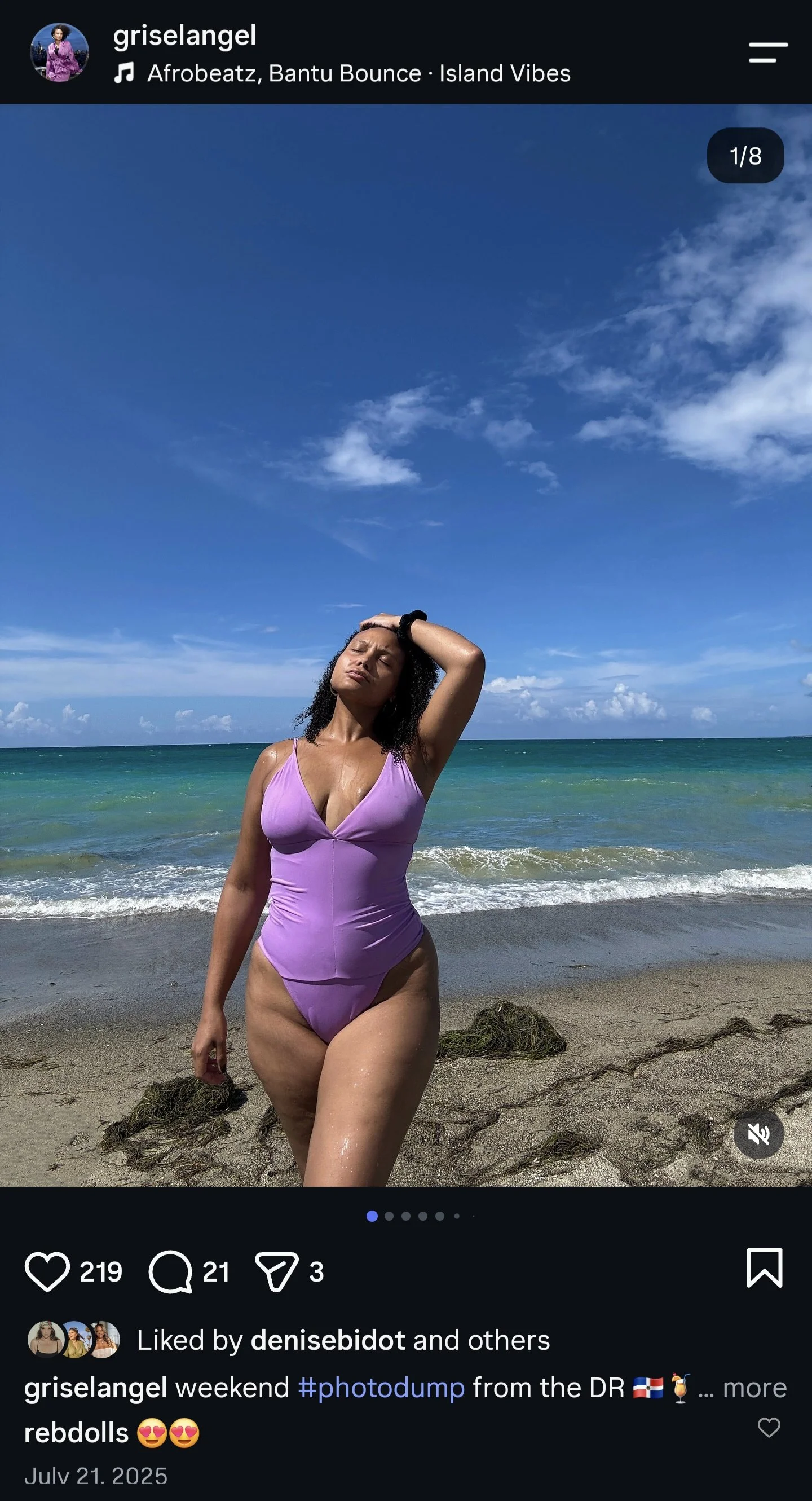
You can't have this conversation without mentioning Denise Bidot (@denisebidot). Of Puerto Rican and Kuwaiti heritage, Denise entered the industry at a time when Latina plus-size models were rarely given major opportunities. In 2014, she made history on the New York Fashion Week runway and went on to work with major brands including Levi's, Target, Macy's, Lane Bryant and others.
What I appreciate about Denise's story isn't just the list of brands. In this industry, we can become overly focused on names and credits. What matters to me is what seeing someone like her represented. Somewhere, there was a young Latina girl—a curvy girl—looking at an industry that had told her she didn't fit the mold. Then there was Denise.
That matters.
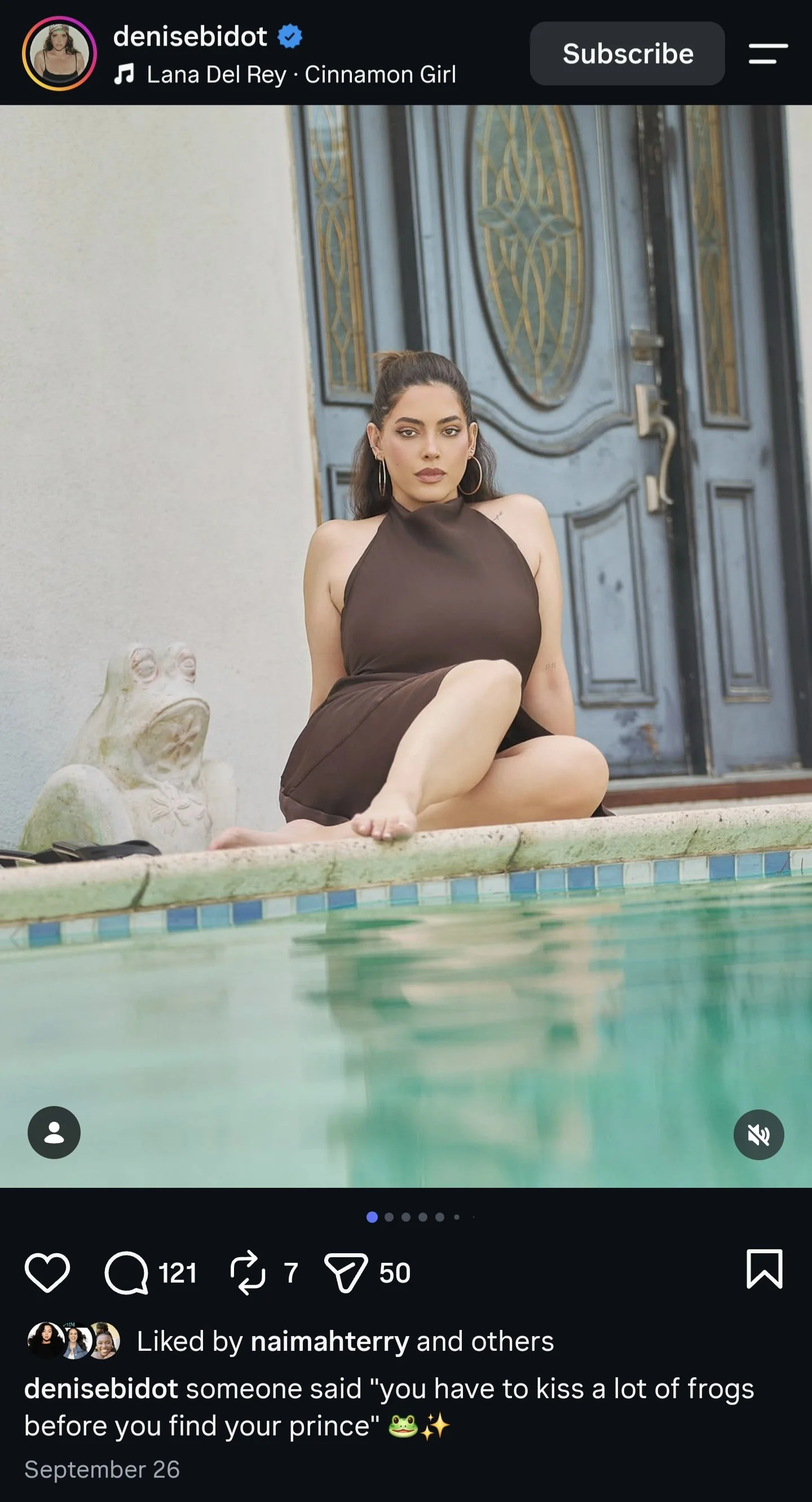
Then there are women like Grisel Paula (@griselangel). Born in the Dominican Republic, Grisel went from working as a plus-size model to building Rebdolls, a fashion brand offering trendy clothing across an extended size range. That part of the story matters too, because representation isn't only about who gets photographed wearing the clothes. It's also about who gets to own the company, make the decisions and create the opportunities.
The same can be said for designer Ashley Nell Tipton (@ashleynelltipton). Her presence in fashion challenged the idea that plus-size women should simply be grateful to have something that fits. Plus-size consumers want fashion. We want color, personality and options. We want to feel sexy when we choose to be sexy and conservative when we choose to be conservative.
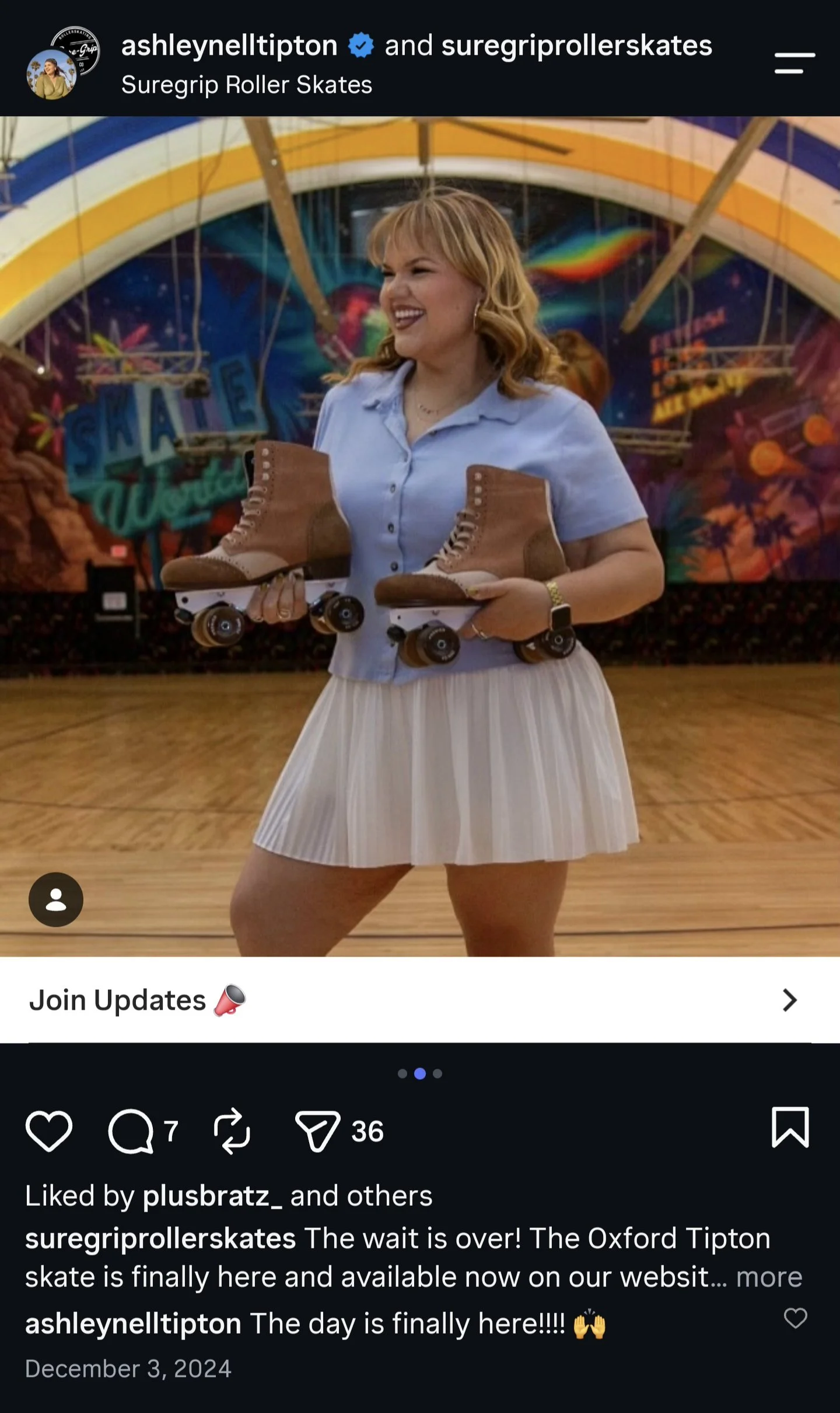
That's something our industry still needs to understand.
Representation isn't just putting a bigger body in an advertisement and calling yourself inclusive.
It's giving that person options.
It's putting them on the runway.
It's putting them behind the camera.
It's putting them in the boardroom.
It's allowing them to tell their own stories.
And it's recognizing that even within the plus-size community, everyone's experience is different.
That's why voices like Jessica Torres (@thisisjessicatorres) have mattered. As an Ecuadorian-American plus-size creator, Jessica has spent years speaking openly about fashion, body acceptance and what it means to exist unapologetically in a larger body.
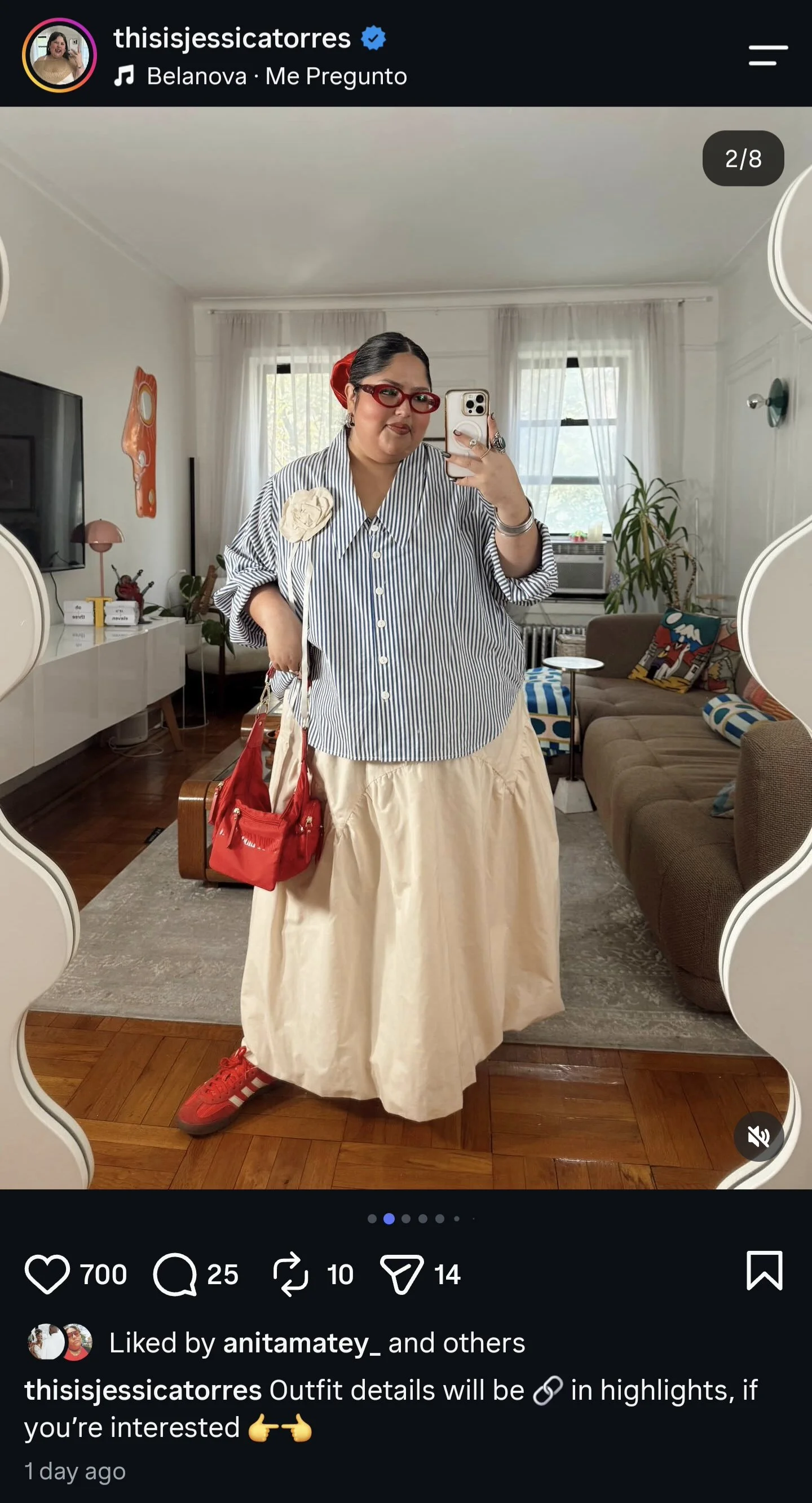
Then there is Christina Mendez (@modelchristinamendez), a Dominican-American model who entered the industry during a time when seeing women of color—especially visibly plus women of color—was nowhere near as common as it is today.
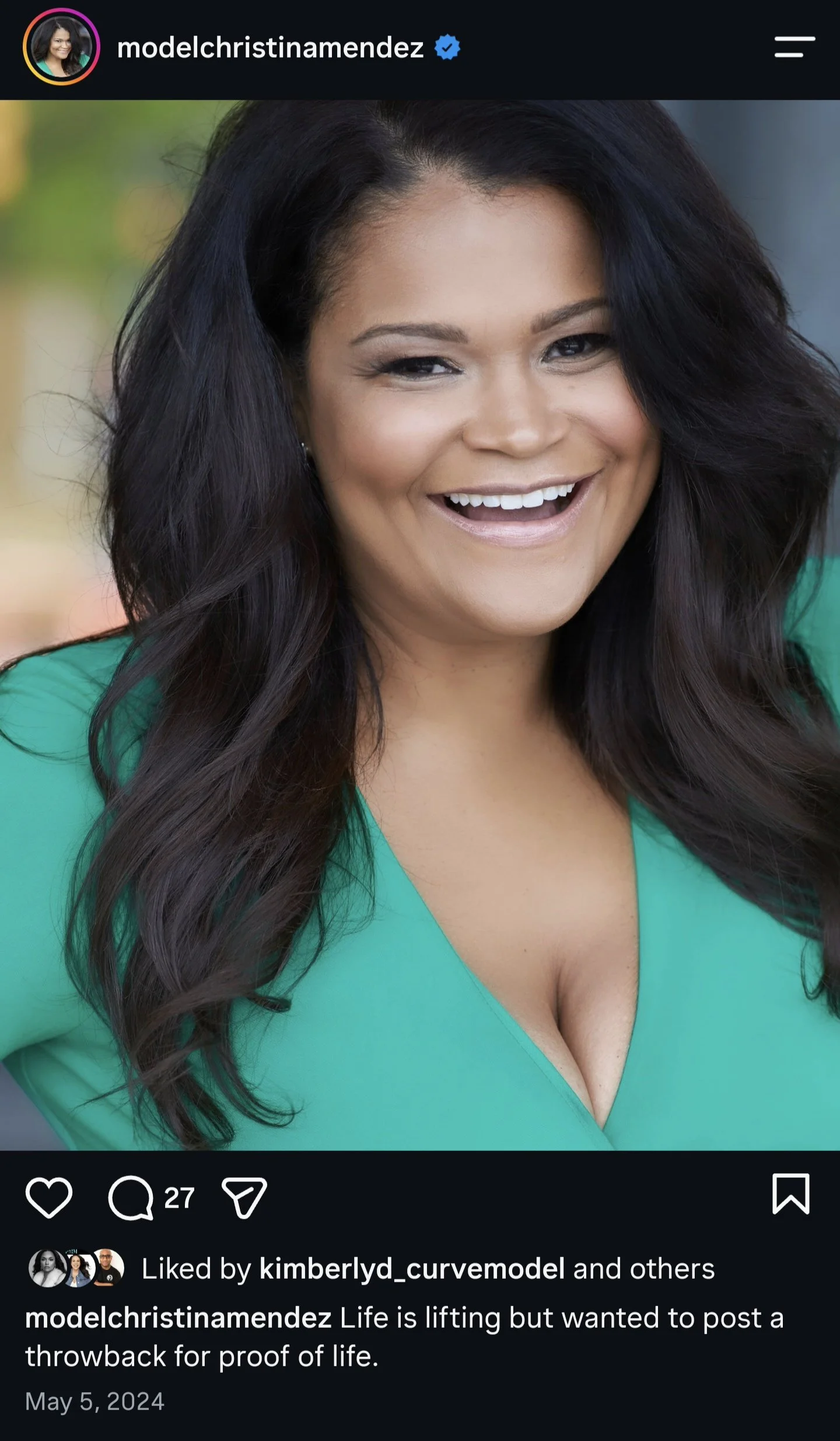
We have to remember that.
Sometimes we look at where the industry is now and forget what it looked like 15 or 20 years ago.
Trust me, I remember.
When I started Queen Size Magazine 15 years ago, we weren't having the same conversations about inclusion that we're having today. Social media wasn't what it is now. Brands weren't rushing to put the word "inclusive" in their marketing. We were fighting simply to prove that there was an audience that wanted to see plus-size women represented beautifully, professionally and unapologetically.
That is why I have a special appreciation for the people who were doing this work before it was popular.
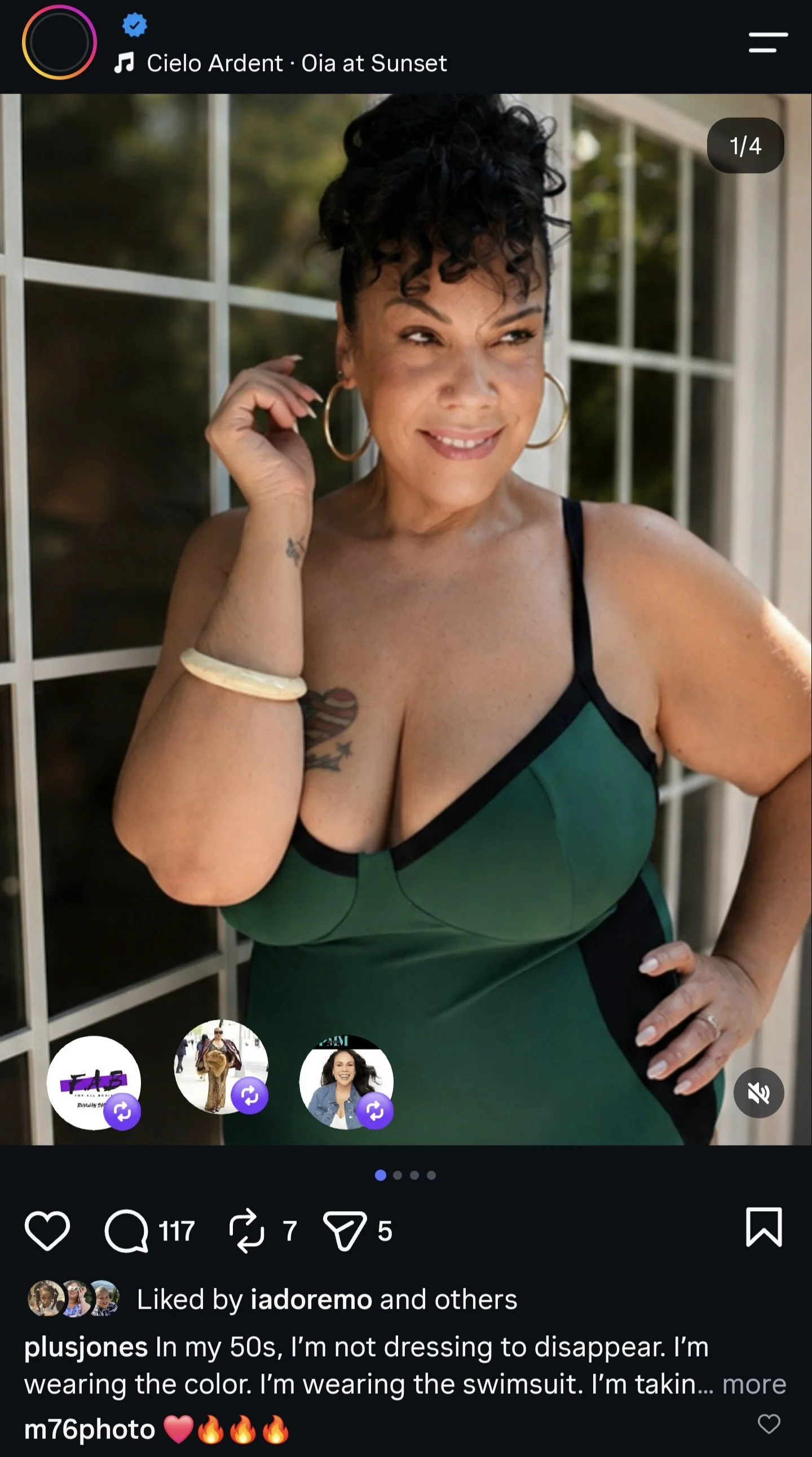
Or Madeline Jones (@plusjones), a Puerto Rican media professional whose work with PLUS Model Magazine, now PMM Today, helped document the industry and give plus-size fashion its own media space. Her work has expanded from publishing into fashion, content creation, mentoring and other areas of the industry.
As a fellow publisher, I understand how important that work is.
People sometimes underestimate media because we're not always the ones walking the runway. But somebody has to tell the stories. Somebody has to photograph the work. Somebody has to interview the designer. Somebody has to put the model on the cover. Somebody has to document what happened so that ten years later, there is proof that we were here.
That is representation too.
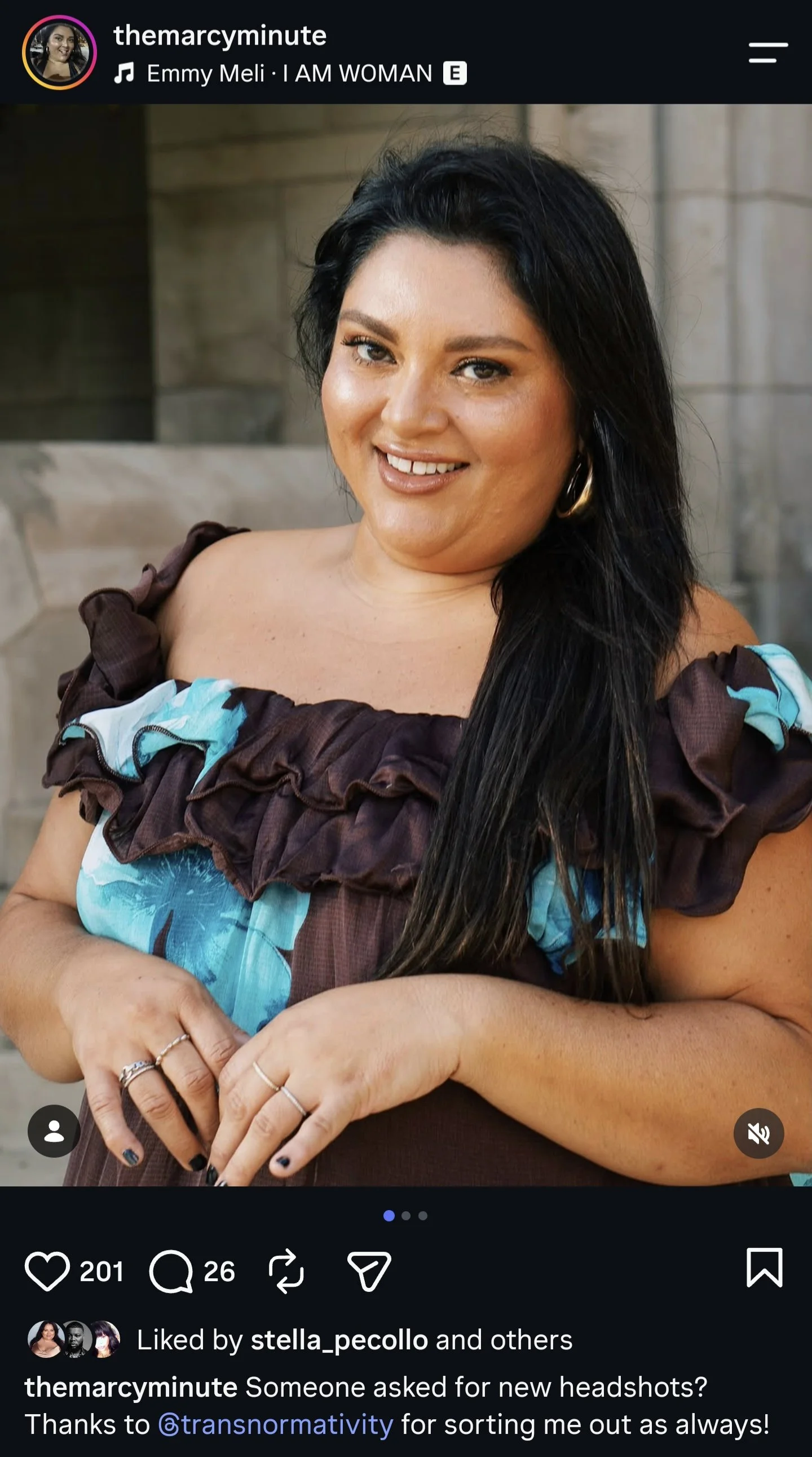
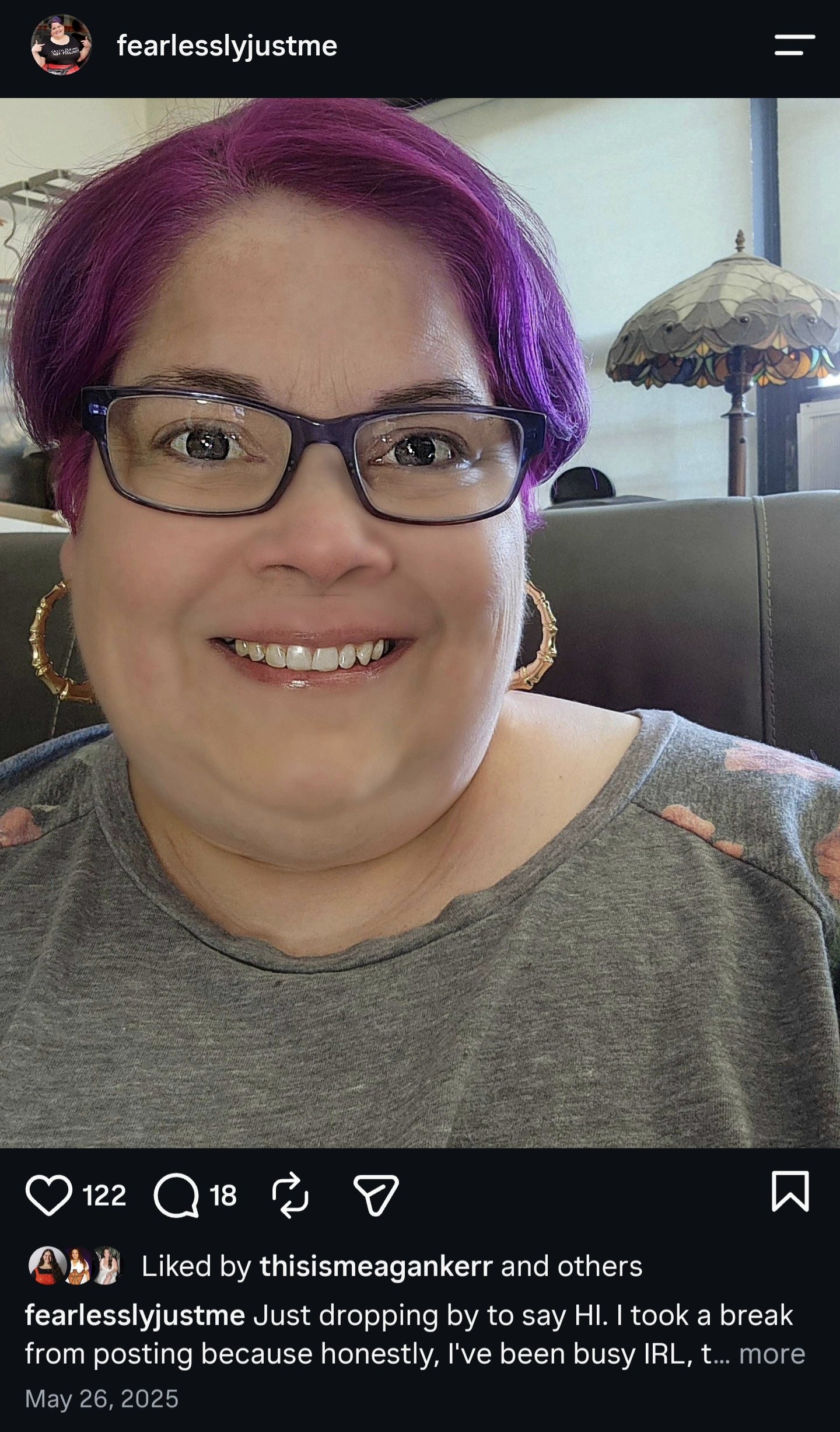
We also have women like Marcy Guevara-Prete (@themarcyminute), whose work in fashion, styling, television and the plus community has helped keep the conversation moving, and Marcy Cruz (@fearlesslyjustme), a Puerto Rican writer and longtime voice in the plus-size space. Their contributions remind us that an industry isn't built only by the people whose names everyone knows. It's built by writers, stylists, producers, editors, boutique owners, content creators, photographers, advocates and the people doing the work behind the scenes.
And we absolutely cannot have this conversation while only talking about women.
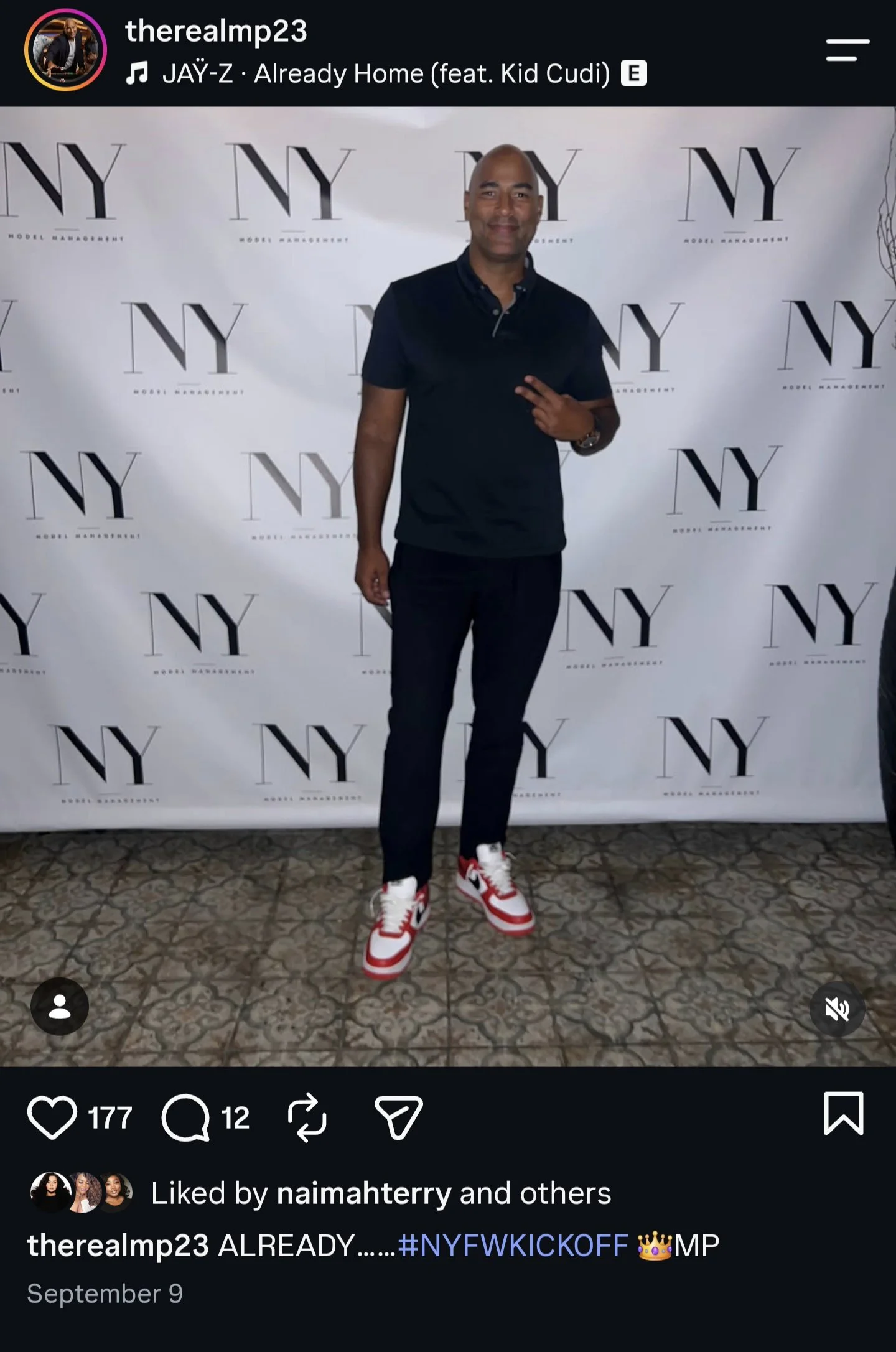
One of the biggest shortcomings of the plus-size industry has been how often Big & Tall men are left completely out of the conversation. Miguel Perdomo (@therealmp23), a plus-size male model and advocate, represents another part of what inclusion is supposed to look like. Men deserve representation in fashion too. Big men deserve to see themselves styled, photographed, celebrated and represented with the same level of intention.
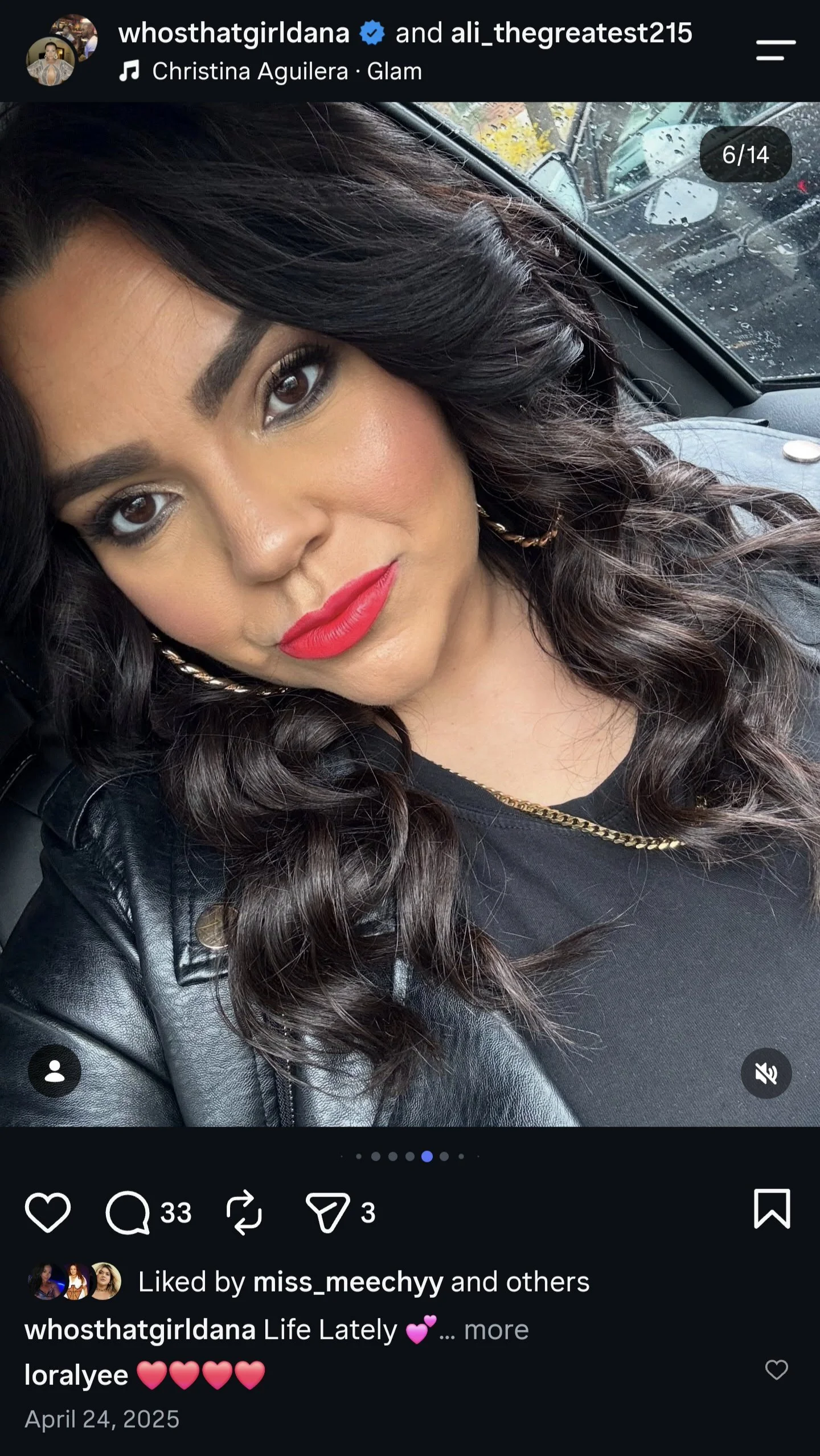
Today, another generation of Hispanic and Latina creators continues that work through social media and digital platforms. Creators like Dana Martinez (@whosthatgirldana) and Samantha Lopez (@ewwwzy) can speak directly to communities that previous generations had to rely on traditional media to reach.
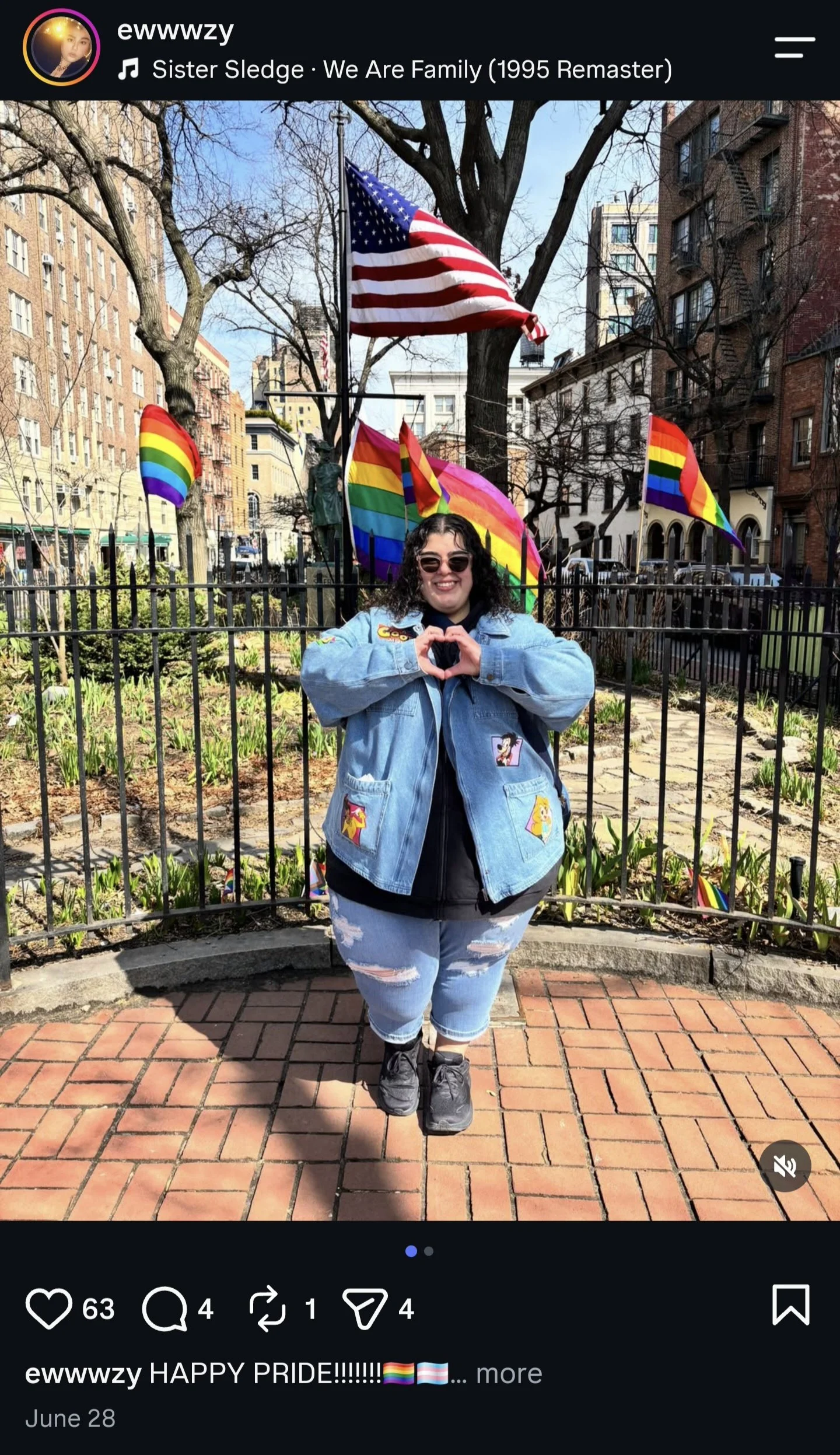
That is progress.
But here's where we have to be careful.
Celebrating progress doesn't mean pretending the work is finished.
We've watched the plus-size industry gain ground, and we've also watched some of that ground disappear. We've seen brands expand their sizing and then quietly pull it back. We've watched companies celebrate diversity for a season before moving on to the next marketing trend.
That's why visibility can't be something we celebrate only when it's convenient.
And Hispanic representation shouldn't suddenly matter on September 15 and stop mattering on October 15.
The people mentioned here didn't become Hispanic for a month. They didn't become plus-size for a campaign. Their culture, bodies, experiences and contributions are part of this industry every day.
Hispanic Heritage Month simply gives us another reason to pause and acknowledge that.
And maybe the bigger question for all of us in fashion isn't just who are we celebrating?
Maybe we should also be asking:
Who are we still not seeing?
Who hasn't been given an opportunity yet?
Who has been doing the work but hasn't received the recognition?
Whose culture, size, age, skin tone, gender or body type still doesn't fit someone's idea of what fashion is supposed to look like?
Because if we're going to keep using the word inclusion, we have to be willing to look around the room and see who is actually in it.
So this Hispanic Heritage Month, Queen Size Magazine celebrates the Hispanic and Latino models, designers, entrepreneurs, media professionals, creators and advocates who have helped make room for fuller bodies in fashion.
To those who opened doors, thank you.
To those holding those doors open for the next person, keep going.
And to those coming behind them, don't be afraid to take up space when you get here.
We need to see you too.