THE MET FINALLY CAUGHT UP, BUT LET’S NOT CLAP TOO FAST
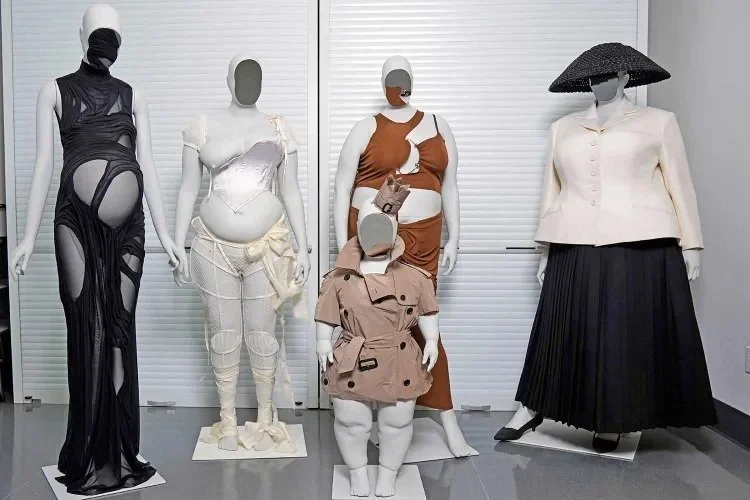
The Costume Institute's new mannequins to be featured in "Costume Art". Credit: Charles Sykes
For decades, fashion has sold us a fantasy. Not inspiration. Not aspiration. A fantasy. And that fantasy has almost always looked the same; thin, able-bodied, and polished to the point where real people couldn’t find themselves in it even if they tried. So when the Costume Institute announced that its 2026 exhibition tied to the Met Gala would feature 25 new mannequins modeled after real bodies, the industry collectively paused. Because whether people want to admit it or not, this isn’t small. This is a visible shift in a space that has been intentionally rigid for a very long time.
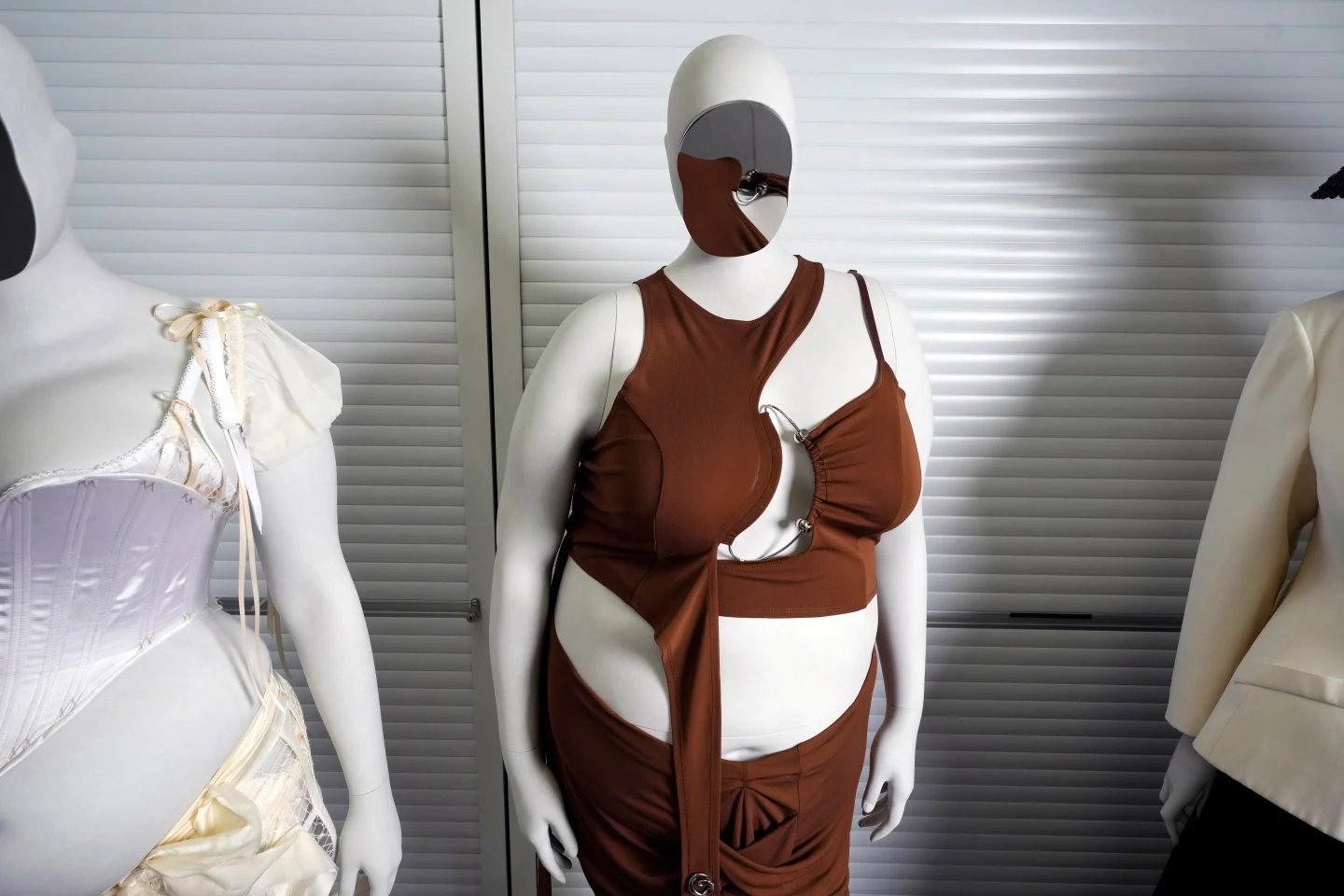
The upcoming exhibit isn’t just about showcasing fashion, it’s about acknowledging the bodies that actually wear it. For the first time on this level, those bodies won’t be standardized or one-dimensional. The mannequins are inspired by real people, including individuals with disabilities, those who use prosthetics or wheelchairs, people across a range of sizes, and even a pregnant body. That level of intention matters because it directly challenges a long-standing norm in fashion where the “default” body has always been narrow, both literally and figuratively. For years, mannequins have reflected an ideal that excludes more people than it includes, and now, finally, that’s being questioned in a very public way.
But let’s not get carried away. This is progress, yes, but it’s also long overdue. The plus industry, adaptive fashion advocates, and inclusive designers have been doing this work for years without the backing of major institutions or the visibility of a platform like the Met. So while this moment is getting attention, it’s important to recognize that the real groundwork was laid long before this exhibit was ever announced. The question isn’t just whether this is groundbreaking. The real question is why it took this long for one of fashion’s most influential institutions to reflect the reality of the people it ultimately serves.
And that reality is simple, most people do not look like the mannequins that have historically represented fashion. For decades, the standard mannequin has hovered around a size 2, while the majority of consumers exist well outside of that range. Yet those same consumers have been expected to engage with, invest in, and support an industry that rarely sees them. That disconnect is not just visual, it’s emotional, and it’s been one of the biggest barriers between fashion and the people it claims to serve.
What makes this shift meaningful is the potential impact. When people walk into that exhibit and see bodies that look like theirs, the experience changes. It becomes more relatable, more honest, and ultimately more powerful. And when major institutions start to shift their approach, it tends to ripple outward. Designers start paying attention. Brands begin to adjust. Casting becomes more intentional. Campaigns evolve. That’s how change moves through the industry, not just through statements, but through visible, undeniable representation.
At the same time, this moment comes with responsibility, and not just in what is displayed, but in who is involved in shaping it. Because inclusion cannot live in a museum while the rest of the industry continues operating the same way it always has. You don’t get to applaud diverse mannequins in an exhibit and then go back to producing limited size ranges, excluding talent, or creating visuals that only reflect one type of body. That’s not progress, that’s performance.
And let’s go a step further, because this is where the industry continues to miss the mark. When we talk about body positivity and inclusion, the people leading those conversations should be the ones who have actually been doing the work, not just the most visible names or the most marketable faces. Too often, these moments get packaged with celebrities or big personalities, while the advocates, models, designers, and creatives who have been pushing this movement forward for years are left out of the room. And that is important. Because inclusion isn’t just about representation on display, it’s about participation behind the scenes. It’s about who gets consulted, who gets hired, who gets credited, and who gets paid. If institutions are serious about evolving, then they need to go beyond optics and start investing in the people who built this space without the spotlight.
If the standard is truly shifting, then it has to shift across the board from design and production to casting, marketing, and leadership. Otherwise, we’re not looking at change. We’re looking at a well-produced moment.
At the end of the day, this move by the Met matters. It signals that even the most traditional institutions are starting to recognize the gap between fashion and reality. But let’s be clear, it’s not revolutionary, it’s corrective. The real leaders in this space have been pushing for inclusion long before it became something institutions could package and present. So yes, acknowledge the shift. But don’t confuse it with arrival. The industry may finally be starting to reflect real bodies, but the real question is whether everyone else is ready to follow through and really support the industry.