THE FASHION INDUSTRY WANTS PERSONALITY AGAIN — BUT ONLY FROM CERTAIN BODIES
The fashion industry keeps saying that personality is back.
We hear it in every trend forecast. Every runway recap. Every “what’s in and what’s out” conversation. Suddenly, fashion wants individuality again. They want people to dress boldly. Dress expressively. Dress authentically. They want statement pieces, dramatic silhouettes, maximalism, vintage inspiration, mixed textures, oversized accessories, and personal style that feels less robotic and more human.
And honestly? Good.
Because for a while there, fashion became painfully repetitive.
Everybody started looking like slightly different versions of the same person. Same neutral palettes. Same slick back bun. Same clean girl aesthetic. Same “quiet luxury” uniforms. Same social media poses. Same Pinterest copy-and-paste styling. Fashion stopped feeling creative and started feeling manufactured.
People got bored.
Now the industry is scrambling to bring personality back into fashion because they realize consumers are craving emotion again. They want style that tells a story. They want confidence. They want individuality. They want people to stand out again.
But here’s the issue nobody wants to talk about.
The industry only seems comfortable with personality when it comes attached to certain bodies.
That’s the real conversation.
Because the rules have never actually been the same across the board.
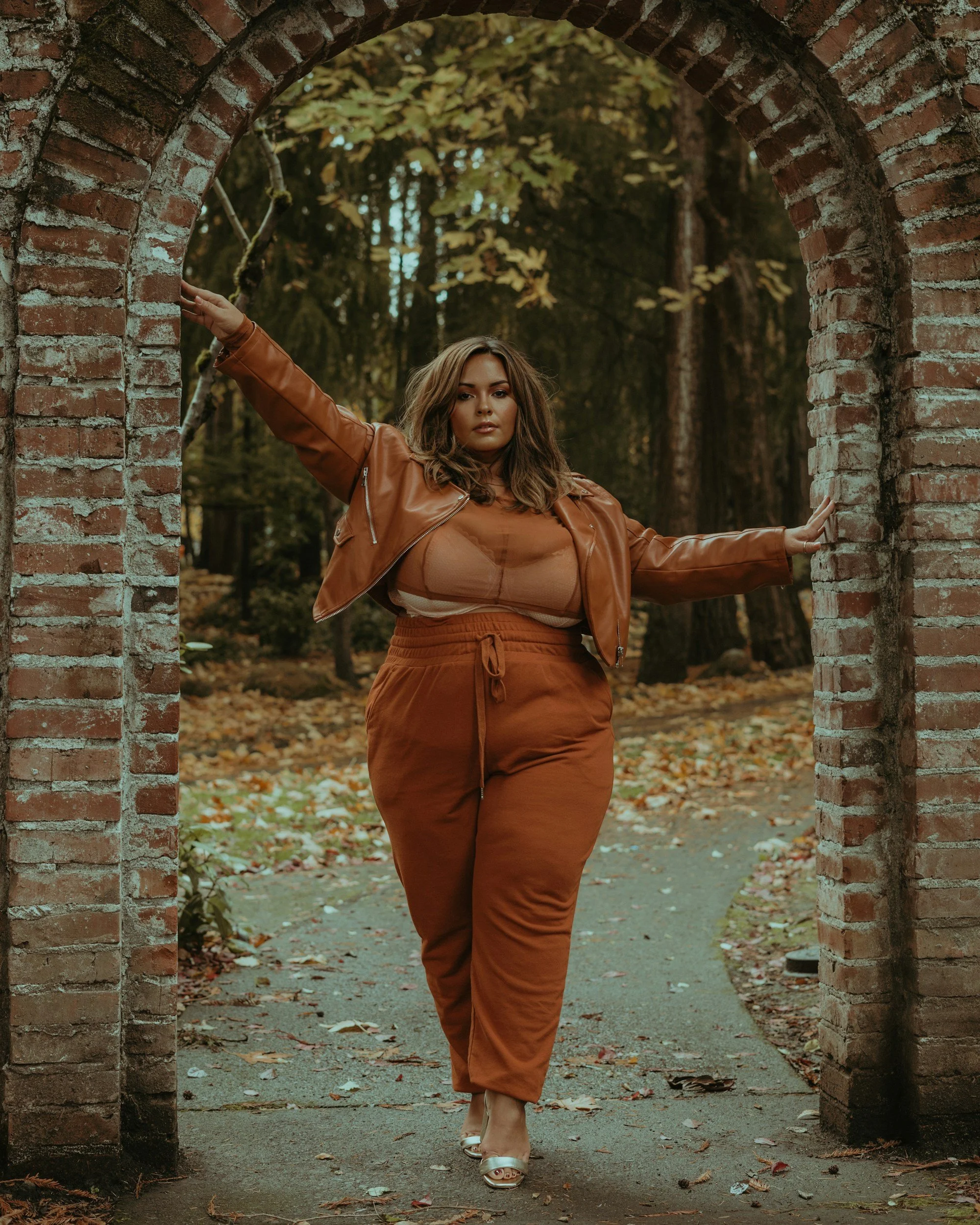
A straight-size woman can wear something oversized, avant-garde, revealing, dramatic, eccentric, sexy, edgy, or fashion-forward, and immediately people call her editorial. Stylish. Fearless. High fashion.
But let a plus-size woman wear the exact same energy and suddenly everybody becomes a stylist.
Now people are talking about what’s “flattering.”
Now people are suggesting what she “should” wear.
Now everybody suddenly has concerns about proportion, fit, coverage, shapewear, confidence, or whether she’s “doing too much.”
And that’s where the industry exposes itself.
Because if personality only works on bodies you already deem acceptable, then you don’t actually love individuality. You love controlled individuality.
There’s a difference.
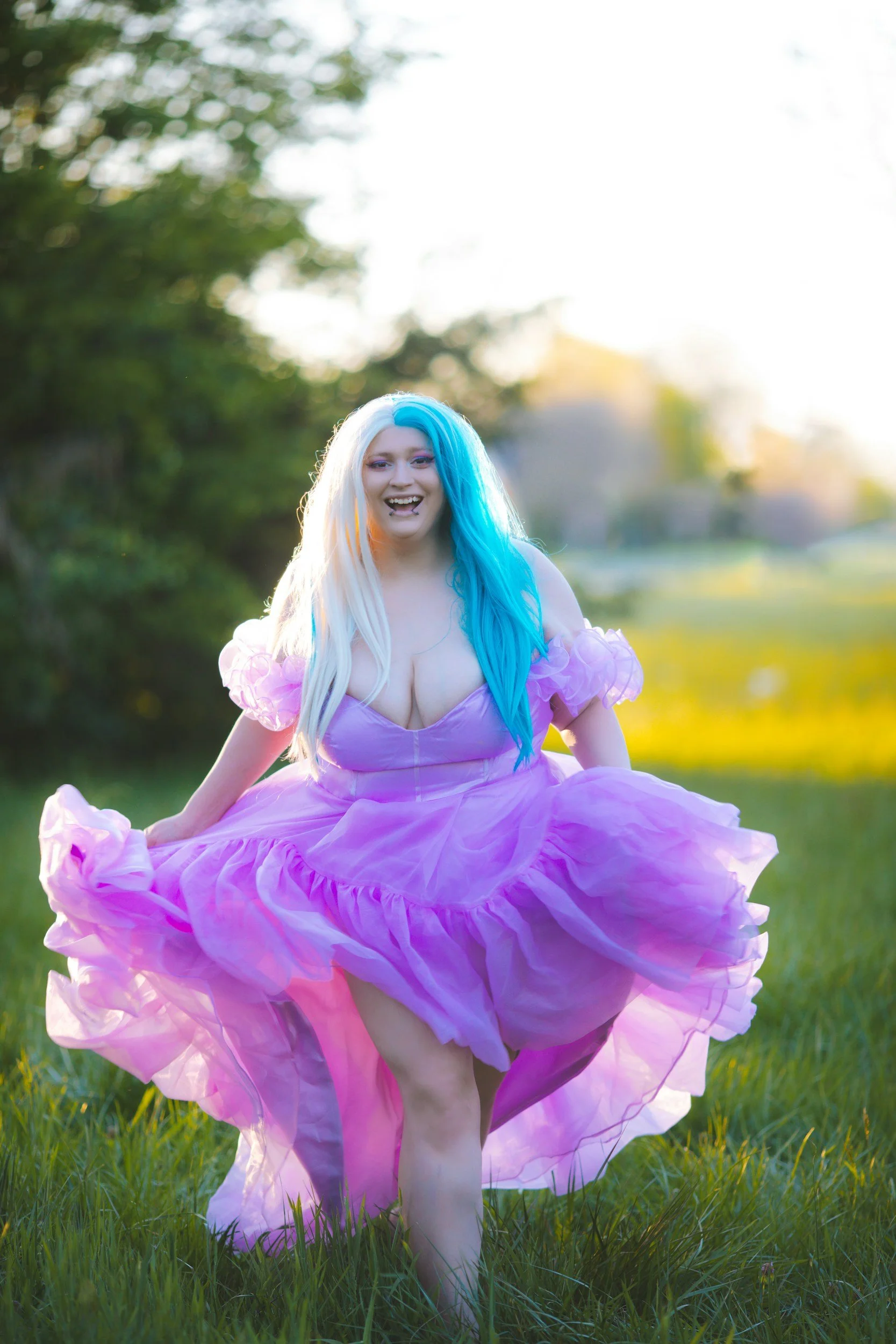
The truth is, plus-size people have always brought personality to fashion. We had to. Most of us grew up in a fashion industry that barely made room for us in the first place. We learned how to accessorize before accessorizing became trendy. We learned how to create style when stores barely carried our sizes. We learned how to mix textures, layer pieces, customize garments, and make fashion work long before brands started pretending inclusivity mattered to them.
We built style out of limitation.
So it’s frustrating watching the industry now praise “bold self-expression” while still quietly policing plus-size bodies the moment they become too visible.
And visibility is the keyword here. Because the fashion industry loves plus-size representation… as long as it feels safe.
Safe curves. Safe styling. Safe confidence. Safe glamour. Safe bodies. Safe angles. Safe campaigns. Safe versions of plus-size beauty that still cater to traditional beauty standards.
But the moment a plus-size woman shows up fully expressive, sexy, dramatic, loud, edgy, unconventional, fashion-obsessed, or simply unapologetic, people get uncomfortable fast.
And you can see it everywhere. You see it in comment sections. You see it in brand casting. You see it in who gets invited to fashion week versus who gets used for diversity campaigns. You see it in who gets called fashionable versus who gets called “brave.”
And let’s discuss that word for a second. “Brave.”
I have always found it interesting how plus-size women are constantly called brave for simply participating in fashion at the same level as everybody else. A thin woman wears a sheer dress, and she’s fashion-forward. A plus-size woman wears a sheer dress, and suddenly she’s “brave.”
Why?
Because bravery implies risk. And what exactly is the “risk” people are referring to? Existing publicly in a bigger body? That’s the part people don’t unpack enough. Fashion has conditioned society to believe that some bodies naturally belong in self-expression while others must earn permission first. And plus-size consumers are tired of that silent hierarchy. We are tired of fashion pretending to evolve while still moving the goalpost every time bigger bodies fully participate. Because inclusion is not just putting a plus-size model in one campaign during body positivity season. Inclusion is allowing bigger bodies to exist across ALL aesthetics. Luxury. Editorial. Minimalist. Avant-garde. Streetwear. Sexy. Experimental. Soft femininity. High glam. Messy beauty. Dark beauty. Vintage fashion. Trend-forward fashion. All of it.
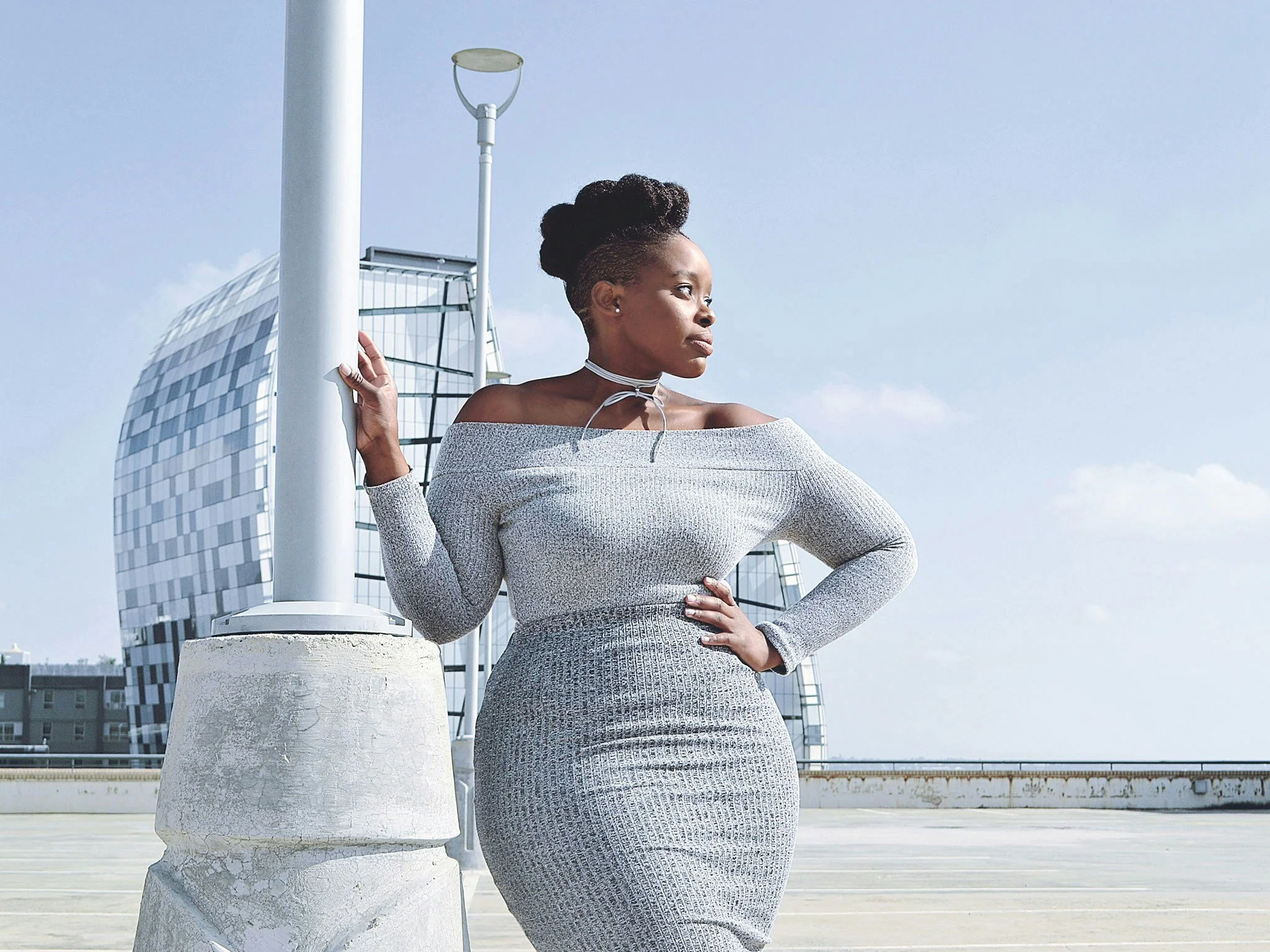
Not just the looks the industry feels comfortable seeing on us. And honestly, I think consumers are becoming more aware of the performance aspect of fashion inclusivity. People notice when brands market “confidence” but still stop extended sizing at a 1X. People notice when magazines celebrate body positivity while featuring the same acceptable versions of plus-size beauty over and over again.
People notice when individuality is encouraged… until fat people become too expressive, too fashionable, too confident, or too visible. That contradiction is becoming harder to hide. The truth is, fashion does not get to market individuality while still controlling whose individuality feels acceptable. You cannot preach authenticity while requiring plus-size people to shrink themselves aesthetically to make others comfortable. And you definitely cannot keep using words like empowerment while still treating bigger bodies like they should participate in fashion quietly.
At some point, the industry is going to have to decide whether it truly believes style belongs to everybody… or whether inclusivity was just another trend campaign.
Because personality was never missing from fashion.
The industry just wasn’t listening to certain people when they brought theirs to the table.