RICK JONES: MORE THAN THE MAN BEHIND THE LENS
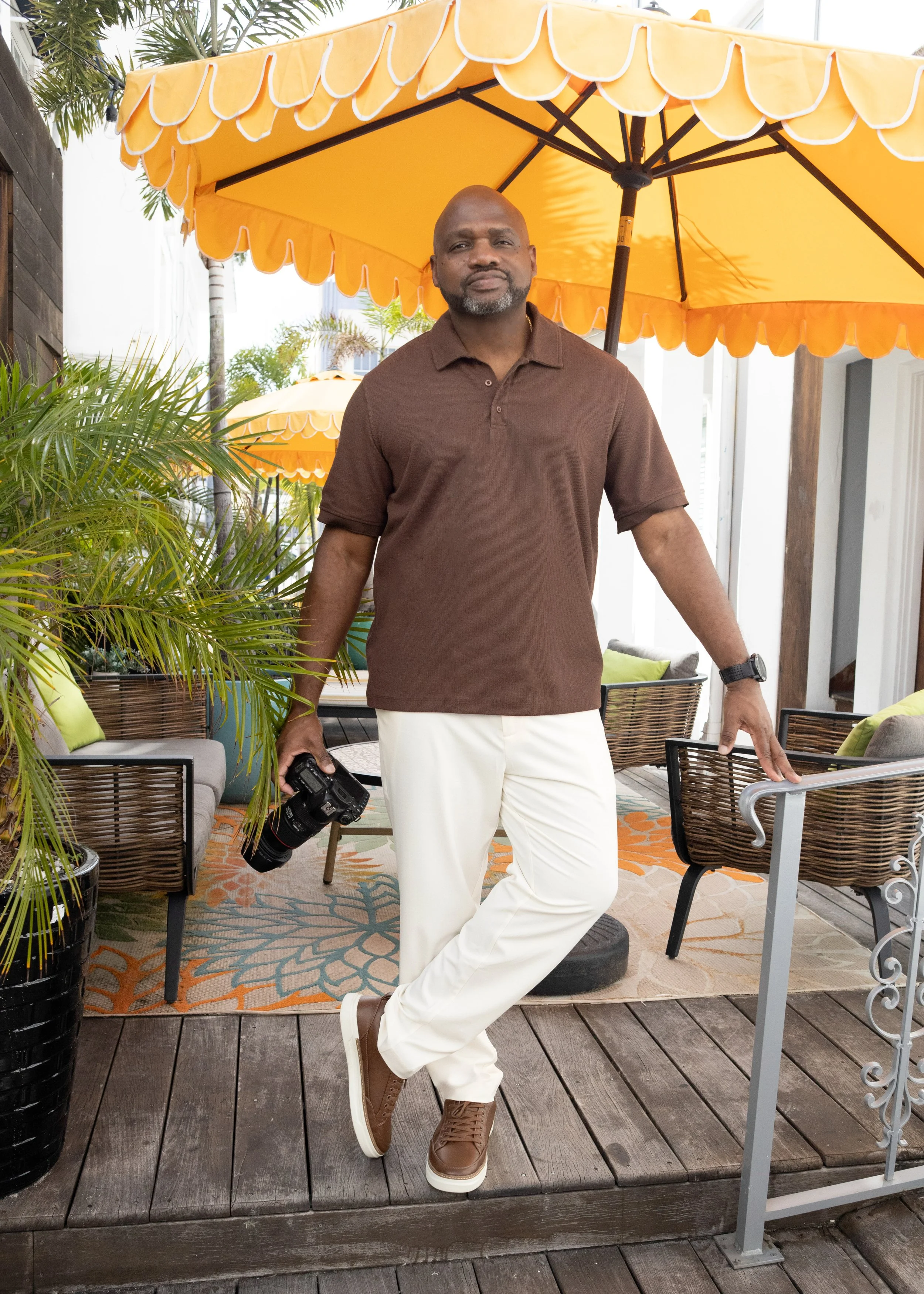
image by Sharia Jones
Photography may have introduced the industry to Rick Jones, but longevity has required much more than knowing how to take a great picture. After 13 years of serving the plus-size community, Rick has built a career around consistency, relationships, adaptability, and understanding that the name behind the camera matters just as much as the images it produces.
There are photographers who take beautiful pictures, and then there are photographers whose names become part of the conversation.
For more than a decade, Rick Jones has been capturing people, fashion, events, and moments throughout the plus-size industry. His work has put him behind the camera at large-scale events and one-on-one sessions, while his ability to provide both photography and videography has allowed his business to evolve alongside the changing needs of his clients.
But ask Rick why people continue to seek him out, and his answer isn't solely about cameras, lighting, or technical ability. Part of it, he says, is much simpler.
“You need to be likeable. People will spend their hard-earned money with whom they are comfortable with and who can deliver consistently.”
That understanding of people may be one of the most important parts of the Rick Jones Photography brand.
Rick doesn't view networking as simply showing up at an event, exchanging information, and going home. At large-scale events, he makes a point of talking to people and letting them know what he does. Those conversations become relationships. Relationships create opportunities. And when the opportunity comes, he understands that the work still has to deliver.
BEFORE THE CAMERA CLICKS
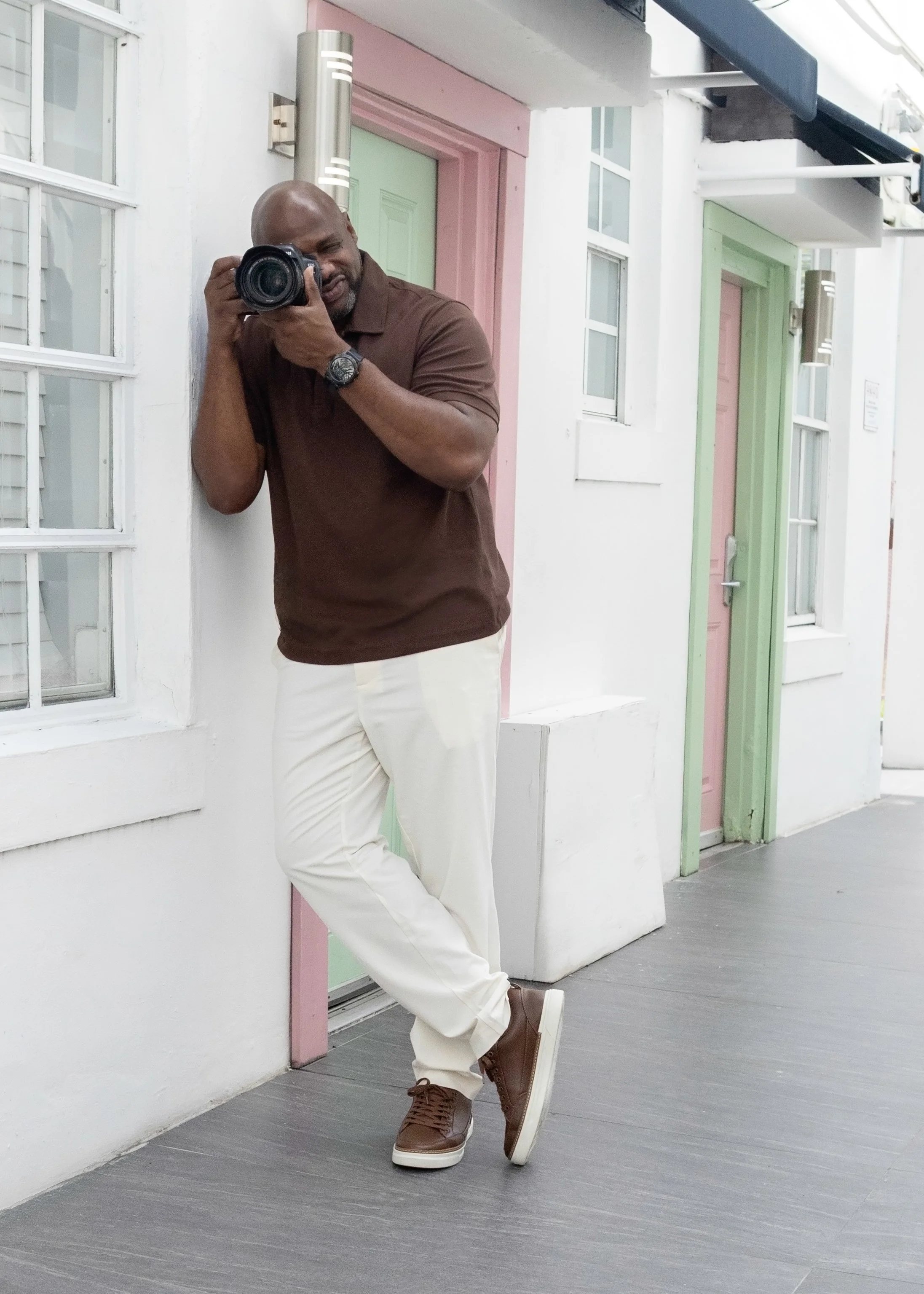
image by Sharia Jones
For Rick, a successful photoshoot begins long before the first photograph is taken. He starts by asking questions.
Is the client celebrating a birthday? Do they need new digitals? Are they building a portfolio? Or do they simply want the experience of feeling like a model for a day?
“Preparation leads to success,” Rick explains.
Once a client arrives, his attention shifts to creating an environment where that person can become comfortable enough to give the camera something authentic.
One of his first questions has nothing to do with photography at all: What kind of music do you like?
The music goes on. The client begins to loosen up. Rick takes test shots, studies which angles work best, and allows the client to see the images. Their reaction gives him information, too. From there, he makes adjustments.
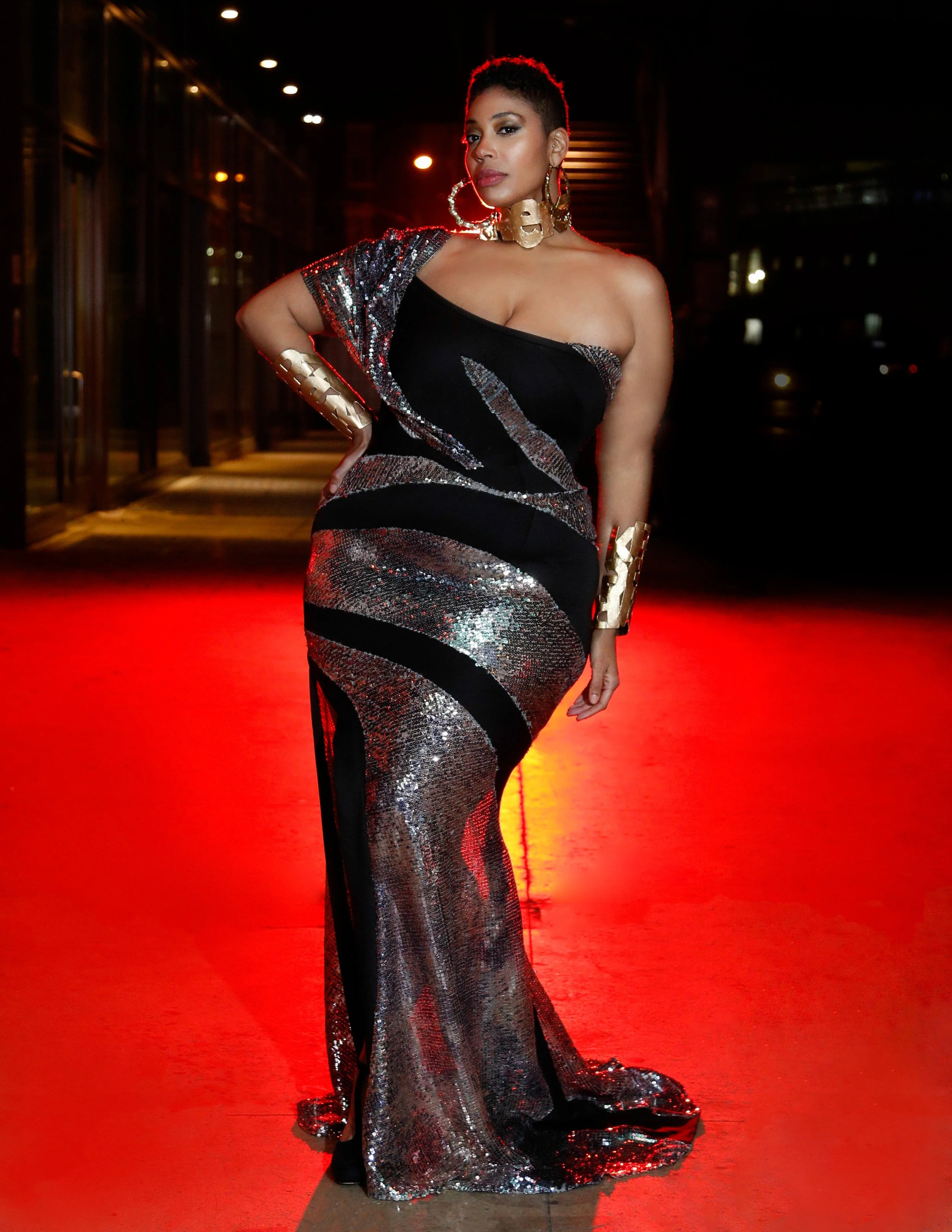
Photography: Rick Jones
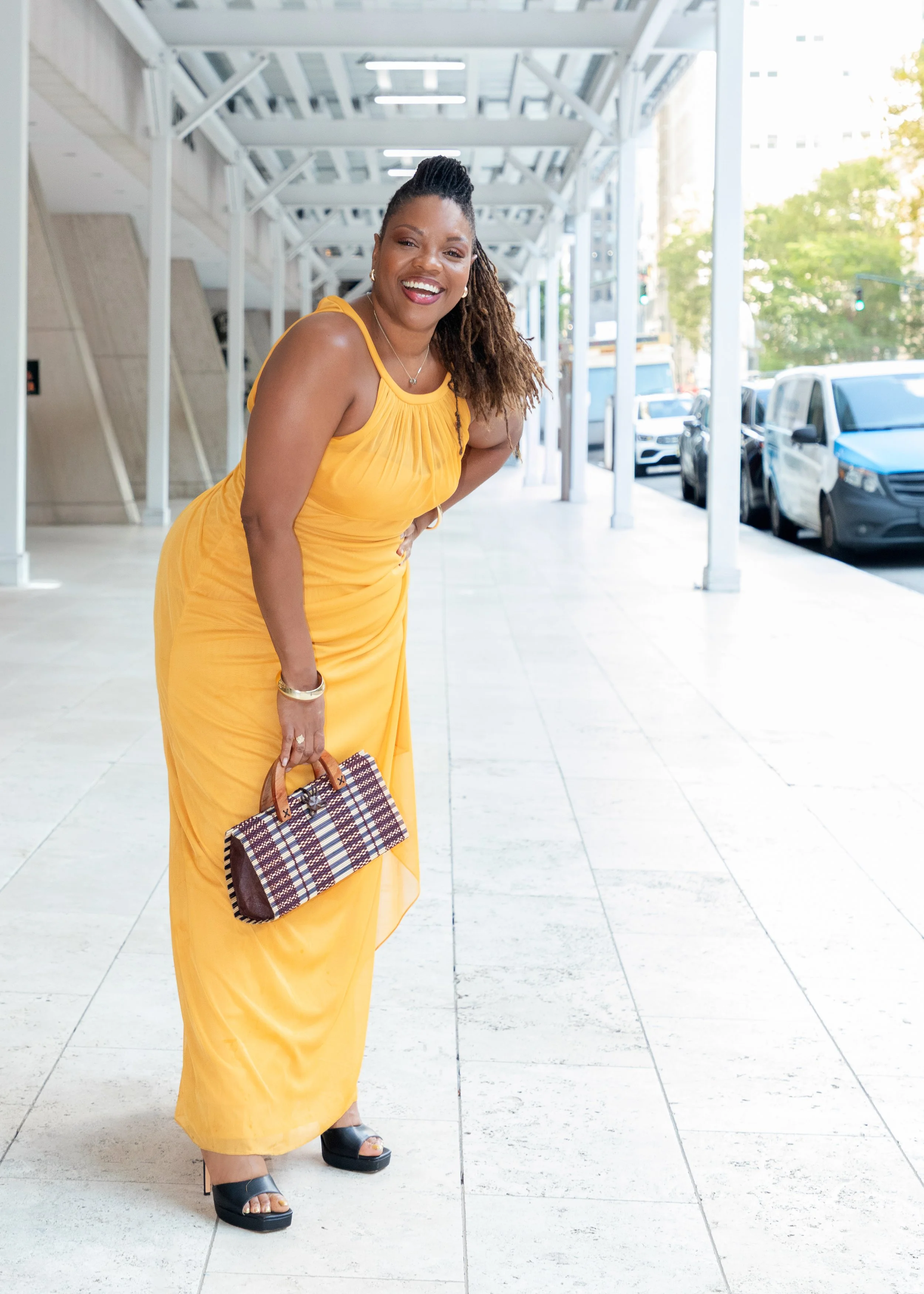
It's a collaborative process rather than simply positioning someone in front of a camera and pressing a shutter. That attention to detail extends to the models who want to build careers in front of his lens.
Rick believes models should practice posing in different types of clothing because the pose has to make sense for what they're wearing and how the garment fits. He also encourages models who are serious about their careers to invest in experienced professionals.
“Save up and have a makeup artist, hairstylist and wardrobe stylist on set so all you need to focus on is your posing, because the details matter,” he says.
And then comes one final piece of advice that may sound small until the camera catches it:
“Please have those hands and feet done.”
Details matter.
TALENT ISN'T A BUSINESS PLAN
The accessibility of photography has changed tremendously since Rick entered the industry. Cameras are more affordable. Quality secondhand equipment is readily available. Editing software continues to improve. Rick doesn't see increased access as a bad thing.
“Everyone starts somewhere,” he says.
His advice to new photographers is to learn the equipment they already have, including its limitations, while also understanding their editing capabilities and even their own physical limitations. Before charging clients, practice with friends who have the patience to allow room for mistakes and growth.
But learning to operate a camera is only one piece of becoming a professional photographer. Rick believes one of the biggest gaps he sees among talented photographers has nothing to do with photography. It's business.
“Most photographers are very talented and tech savvy, but they don't know how to start or run a business.”
Rick had an advantage when he entered the field: 15 years of management experience. That experience taught him to think beyond the purchase of equipment.
“You can easily spend $4,000 on a camera, but what is your plan to make your money? Who's your target audience? What services do you offer now, and what services can you add on that your clients will see value in?”
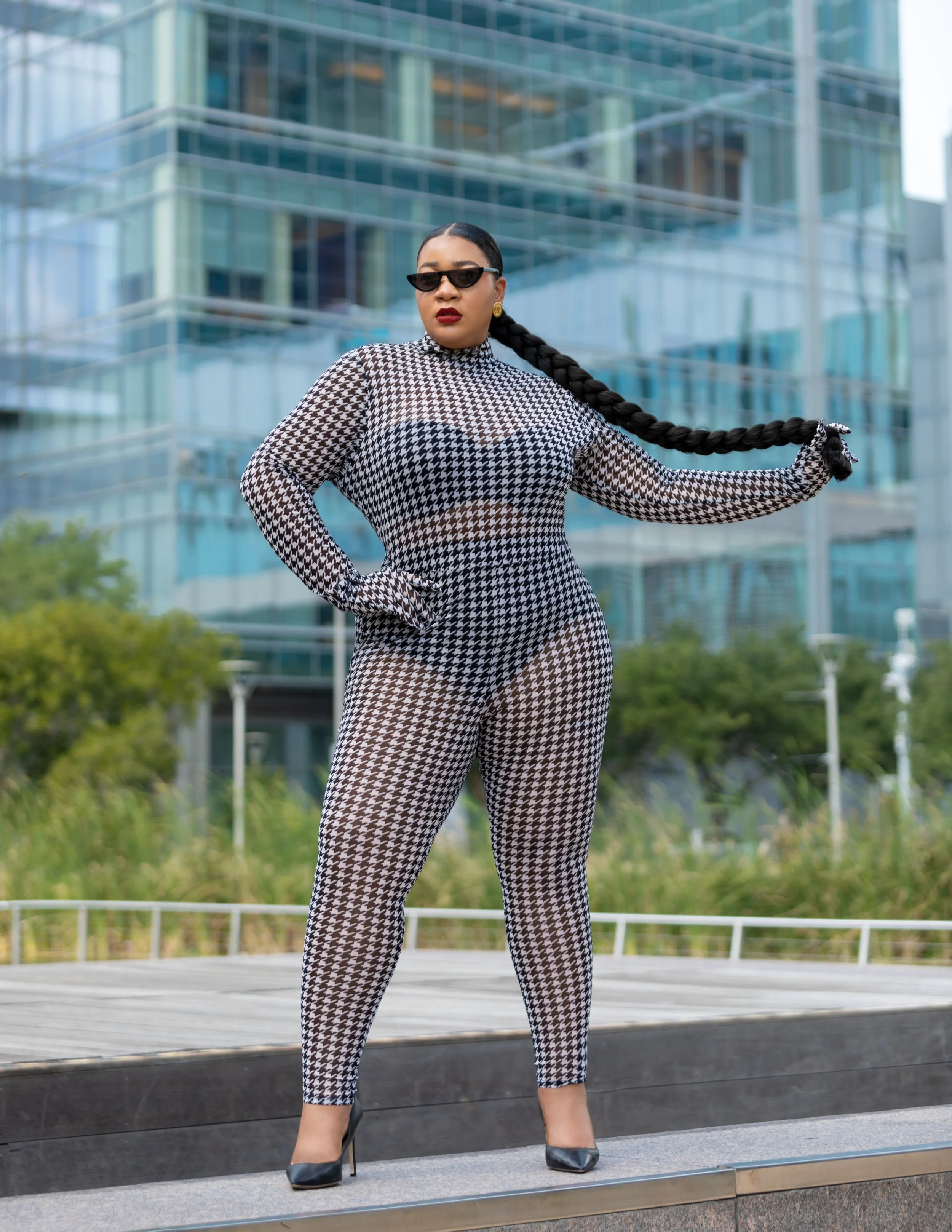
Photography: Rick Jones
Those aren't photography questions. They're entrepreneurship questions.
And Rick believes understanding the difference is essential for anyone who wants longevity.
His business philosophy also extends beyond making money. Rick understands that every agreement, interaction and project becomes attached to his name. After more than a decade in the industry, protecting that name is something he doesn't take lightly.
Because equipment can be replaced. Money can be made again.
A damaged reputation can be much harder to rebuild.
EVOLVE OR GET LEFT BEHIND
Longevity doesn't come from doing the same thing for 13 years.
Rick understands that.
His photography tour began taking shape after he worked Full Figured Fashion Week in late 2015. Until then, Rick hadn't been much of a traveler. But working the event introduced him to models from around the country.
The message he kept hearing was clear:
You need to come to L.A.
You need to come to Atlanta.
You need to come to Miami.
He listened.
Atlanta became the first stop in January 2016, beginning what would grow into a photography tour that has continued for approximately a decade, including through the disruption caused by the COVID-19 pandemic.
But Rick didn't simply travel with the same service year after year.
He paid attention to what his clients wanted and what was happening around him.
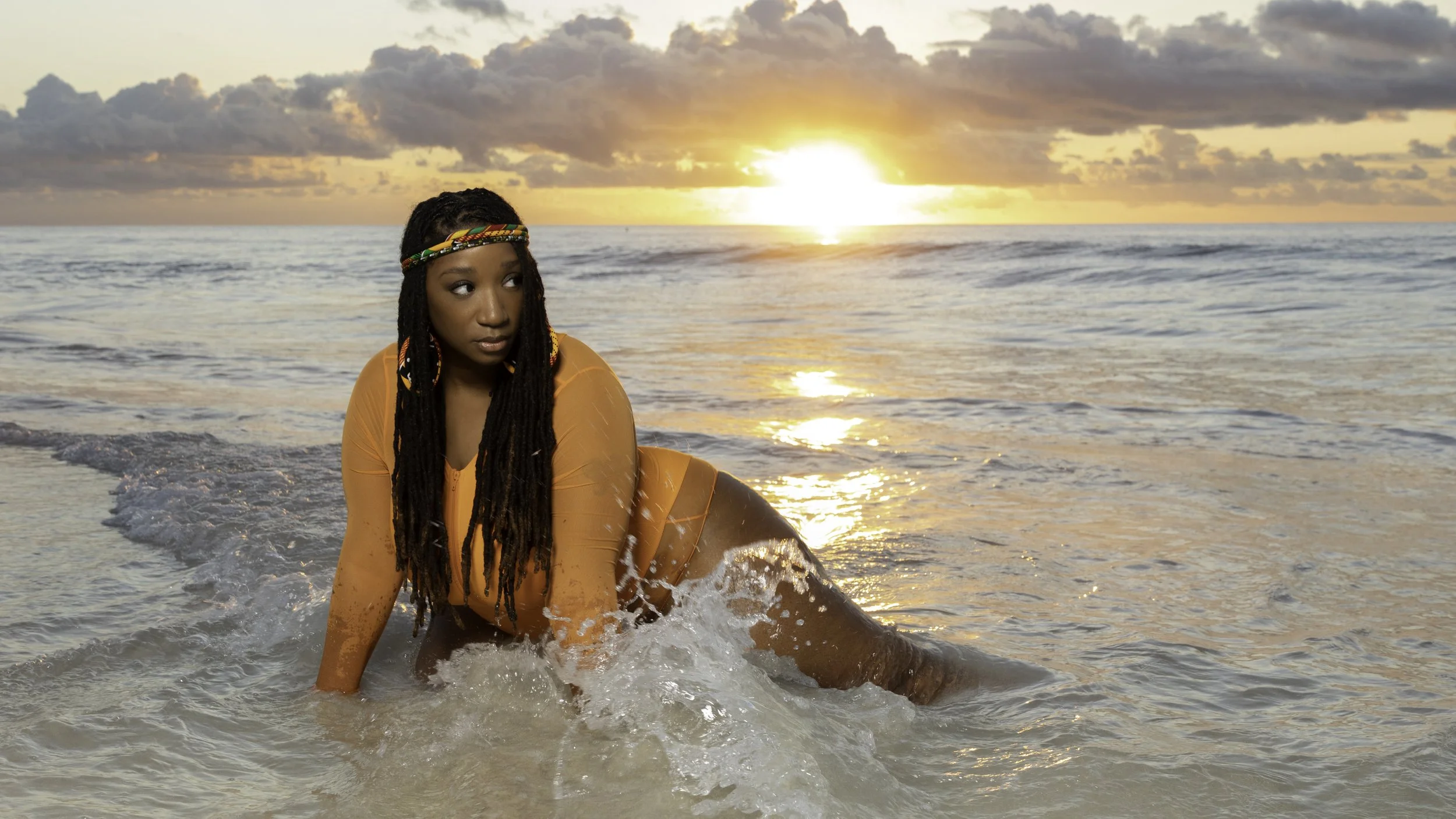
During the pandemic slowdown, he expanded into video. He also recognized the growing popularity of experiences such as flying-dress photography and incorporated them into his tour offerings.
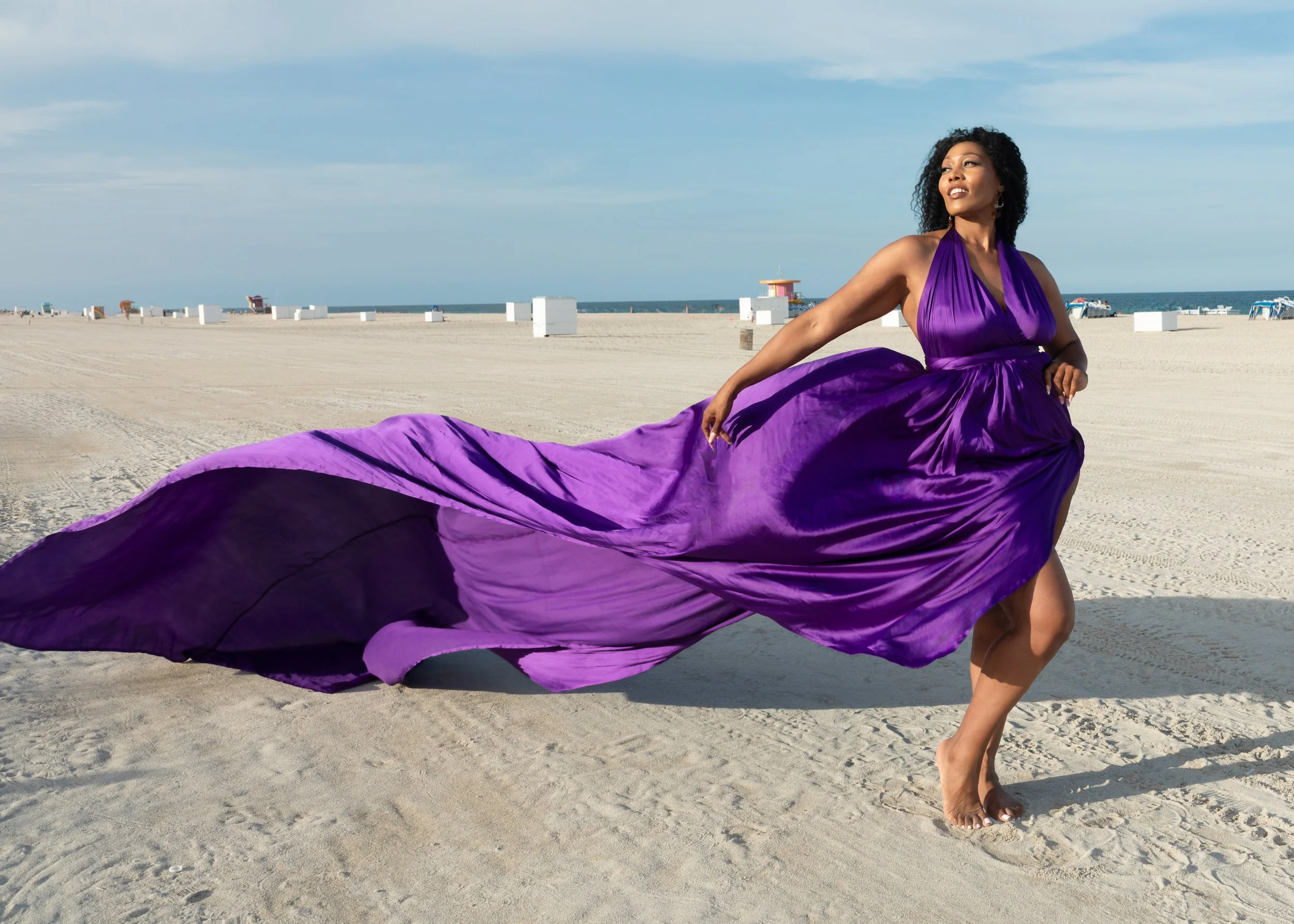
Photography: Rick Jones
The specifics may change, but the philosophy has remained consistent: pay attention, recognize where the industry is going and be willing to grow with it.
PHOTOGRAPHY IN THE AGE OF AI
Perhaps no technology is forcing creatives to think about change more aggressively than artificial intelligence.
Rick isn't afraid of it. In fact, he uses it.
“AI is a great tool when used the right way.”
He has incorporated AI into parts of his workflow, including creating flyers while retaining the original photography and assisting with editing tasks such as cleaning up flyaway hair and removing stains.
“Any software that will help maximize my time is a welcome one.”
But there is a line Rick isn't interested in crossing.
The people stay real.
“I believe in only using real people on my flyers,” he says. “You want real people to book you because they can see themselves in your work.”
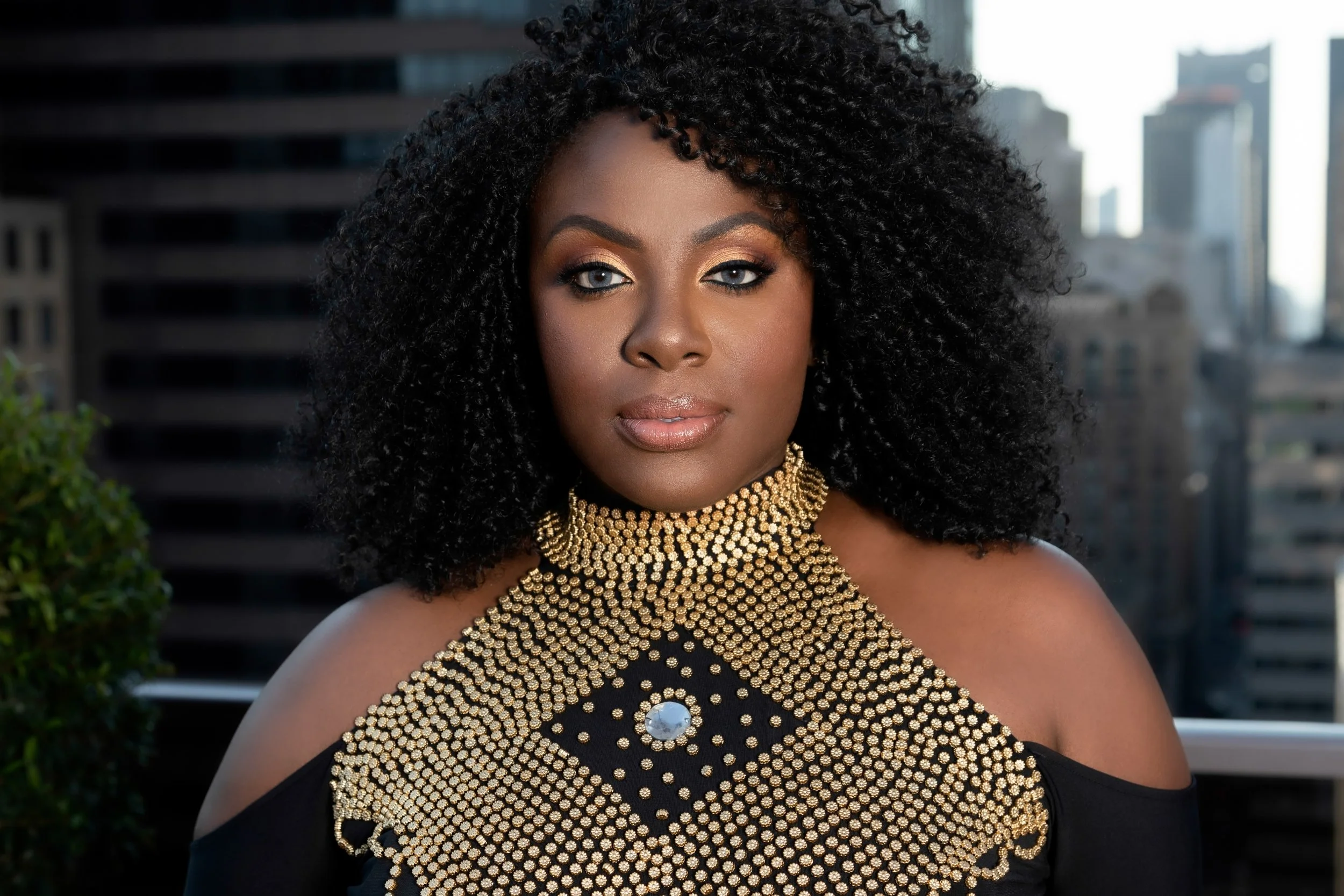
Photography: Rick Jones
Despite the rapid development of generative imagery, Rick doesn't believe AI eliminates the need for photographers or human models.
Some brands may experiment with replacing models with digitally generated versions, but Rick believes something remains missing.
They “lack soul and the aura of a real model,” he says, before acknowledging something the industry cannot afford to ignore:
“The gap in realism is closing fast.”
The answer isn't necessarily rejecting technology. It's learning how to use it without allowing technology to replace the very human connection that made the work valuable in the first place.
BEYOND THE CAMERA
There is another piece of Rick's career that rarely makes it into the finished photograph: photography is physically demanding.
He learned that lesson during an eight-hour group session.
Afterward, he was exhausted.
For someone who may spend hours working while carrying 70 to 80 pounds of equipment, being physically capable of doing the job became a business necessity.
Rick, a former track athlete, knew what he needed to do.
He returned to weight training, incorporated significant amounts of walking and added some running.
What started as a realization about endurance became part of maintaining the body necessary to support the career he was building.
The connection between fitness and entrepreneurship isn't complicated. You can have the clients, equipment and bookings, but your body still has to carry you through the work.
And Rick intends to be able to do exactly that.
FATHER FIRST
For all the hours spent photographing clients, traveling and building a business, Rick has always had another responsibility waiting at home.
Fatherhood.
“Being a father certainly makes you think twice on how you spend your time away from home.”
When his son Jayden was younger, Rick became selective about which events he attended. As Jayden grew older and became more independent, traveling became easier, but Rick remained conscious of how much time his work required away from his son.
And now, an interesting connection between father and son has developed.
Jayden took a photography class and liked it.
What Jayden didn't know was that his father had already been thinking ahead.
A few years earlier, Rick stopped using one of his cameras. Instead of selling it or trading it in for newer equipment, he put it away.
For Jayden.
Rick presented the camera to him for his 18th birthday.
Now finishing his final year of high school and a member of the National Society of High School Scholars (NSHSS), Jayden is creating his own path, with a father who makes no attempt to hide his pride.
For a man who has spent more than a decade preserving other people's milestones through photographs, perhaps there is something fitting about saving a camera for one of his own.
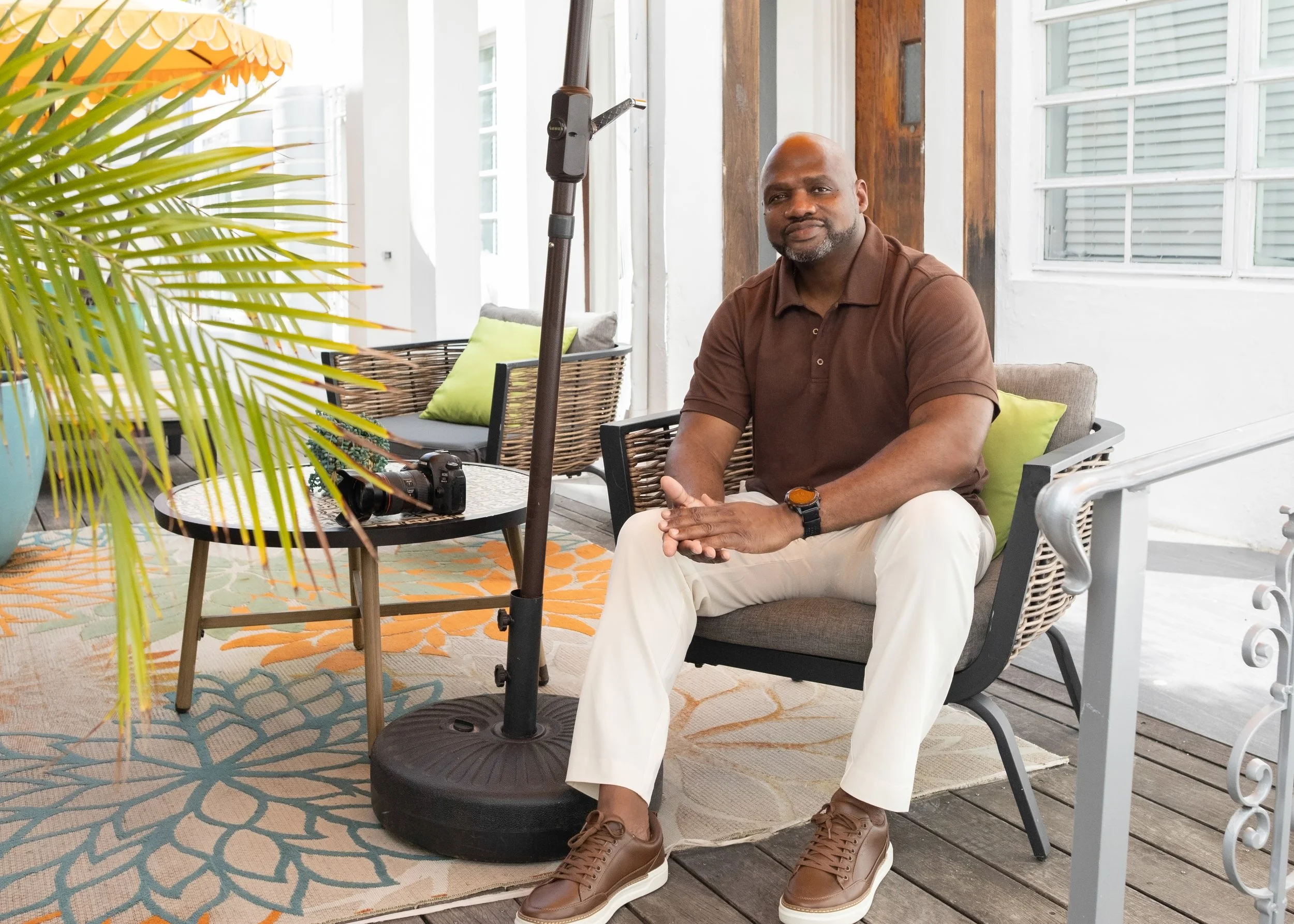
image by Sharia Jones
IN HIS OWN WORDS
QSM Sits Down With Rick Jones
QSM: After 13 years in the plus-size industry, what does being part of this community mean to you today?
RICK JONES: I'm thankful and honored to be chosen by the plus-size community to serve them for 13 years and counting. This community has provided me a safe place to express myself through my work, and for that I am truly grateful.
QSM: You've talked about the importance of protecting your reputation. How do you handle situations where a business decision may not necessarily work in your favor?
RICK JONES: I believe your personal decisions affect your business and your business decisions affect your personal life, so I think about the long-term effects of my choices and tend to operate on the safe side.
Whatever is written in your agreement, do your part. Even if you may feel like somehow someone got over on you, the money will come back in the long run.
It's a lot easier to ruin your name and brand than it is to build it up.
Photography: Rick Jones
QSM: Have there been opportunities you've turned down because they didn't align with who you are personally or professionally?
RICK JONES: I've had some risqué requests made before, and I've turned down the projects because the clothing or visuals were too provocative.
But I sleep well at night knowing I did so.
QSM: When you look at everything you've built, what has been one of the biggest keys to staying relevant and continuing to grow?
RICK JONES: One of the keys to any success is to grow with your audience. Everyone wants short-form videos for social media now. During the pandemic it was slow, and I took the time to learn how to shoot and edit my own videos.
I purchased flying dresses for my clients to shoot on the tour as well. If people travel halfway around the world to photograph this style of dress, then I need to have my own.
A major key to longevity is knowing when to add more services and which ones make sense for client retention and growth.
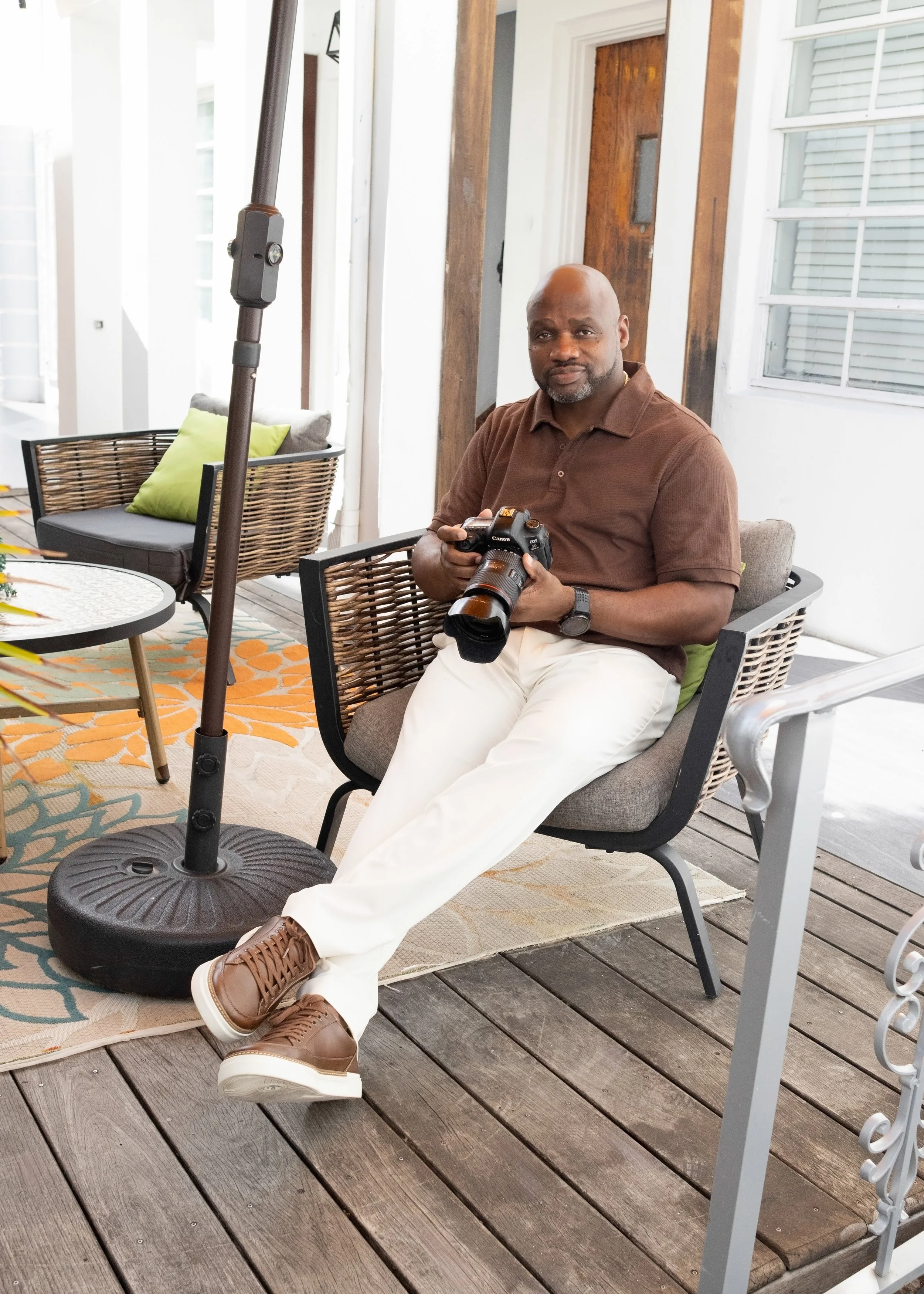
image by Sharia Jones
THIRTEEN YEARS AND COUNTING

Photography: Rick Jones
But longevity isn't measured solely by the number of images sitting on hard drives, the number of events covered or even the number of clients who have stood in front of his camera.
It's measured by whether people still call.
Whether they trust your name.
Whether you can evolve without abandoning your standards.
Whether you recognize that being talented and running a business are two entirely different skill sets.
And whether, after years of doing the work, you still appreciate the people who gave you the opportunity to do it.
For Rick, the plus-size community has been central to that journey.
And from QSM's perspective, we've had a front-row seat to part of it.
We've seen Rick behind the camera at events. We've seen his photographs appear in our own pages. We've watched his work capture members of this community, and we've watched his name continue to circulate in rooms where models, designers, producers and other industry professionals gather.
But perhaps the most interesting part of the Rick Jones story isn't everything he has already photographed.
It's that after 13 years, he's still learning! Still adapting! Still networking! Still adding services! Still protecting his name! Still carrying the equipment! And still showing up!
Because cameras will change. Social media will change. AI will change what we believe is possible. Trends will come, disappear and eventually come back around again. But technology can't manufacture reputation. That still has to be earned.
And Rick Jones has spent 13 years doing exactly that.

Photography: Rick Jones Photography: Rick Jones
CONNECT WITH RICK JONES
Photography & Videography
Instagram: @RJonesPhotography
Website: https://rjonesphotography.smugmug.com/
Email: RJonesPhotography1@gmail.com
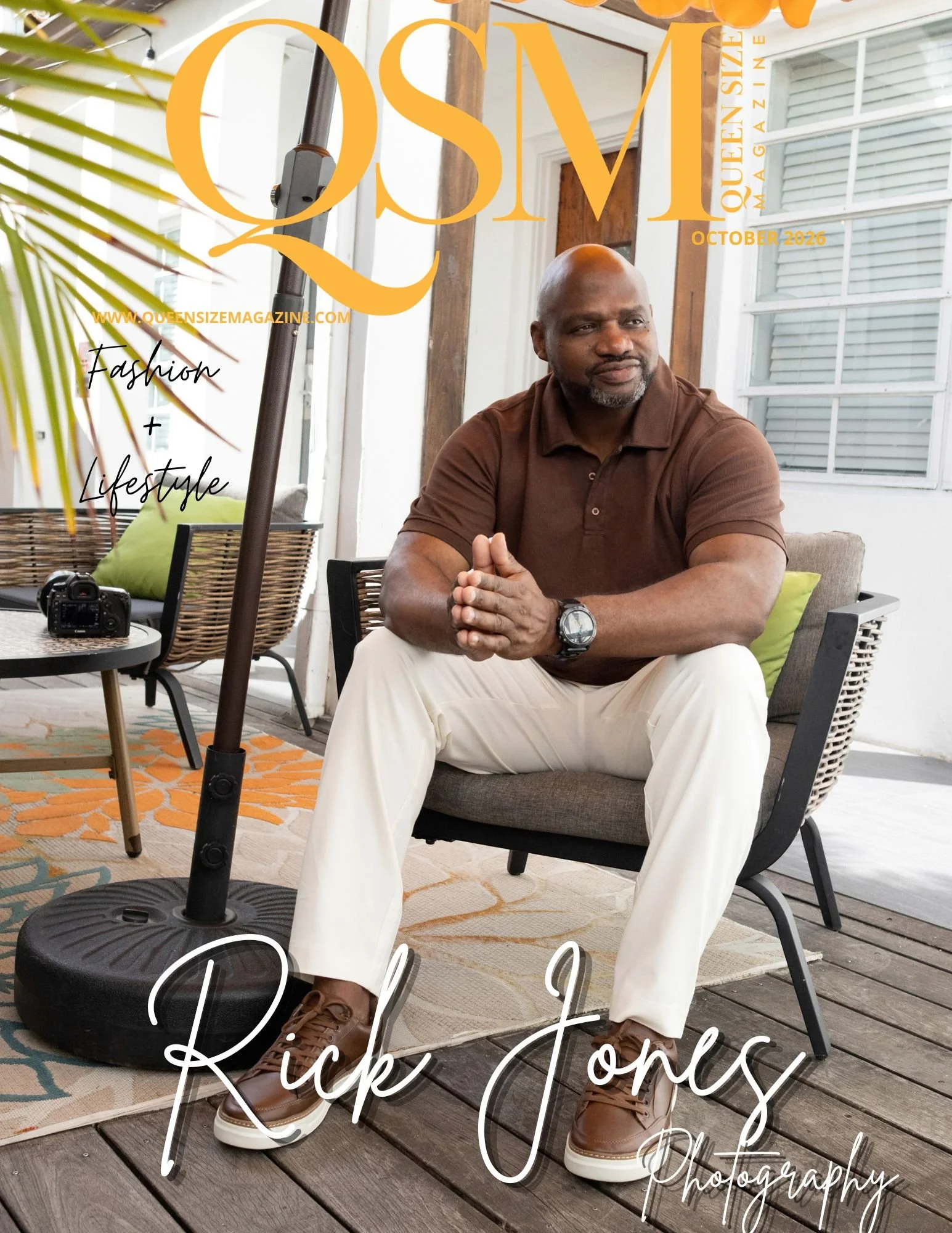
image by Sharia Jones